Mitchell, R. J. Author
Biography not available.

Browse all ART CRITICISM books
Browse all Ashworth books
Browse all BUSINESS AND ECONOMICS books
Browse all FOLKLORE books
Browse all GARDENS books
Browse all GRAPHIC NOVELS books
Browse all HISTORY - MEDIEVAL books
Browse all HUMOUR books
Browse all Juvenile Fiction : Biographical - Other books
Browse all Juvenile Fiction : Historical - Other books
Browse all Juvenile Fiction : Legends, Myths, & Fables - Other books
Browse all Juvenile Fiction : People & Places - Other books
Browse all Juvenile Fiction : People & Places - United States - Other books
Browse all Juvenile Fiction : Religious - Other books
Browse all Juvenile Nonfiction : History - Other books
Browse all Juvenile Nonfiction : Mathematics - Advanced books
Browse all Juvenile Nonfiction : People & Places - Other books
Browse all Juvenile Nonfiction : People & Places - United States - Othe books
Browse all KINDRED books
Browse all LITERARY STUDIES books
Browse all LONDON books
Browse all Lozada books
Browse all Medical : Nursing - Mental Health books
Browse all MIND books
Browse all MUSEOLOGY books
Browse all NON-CLASSIFIABLE books
Browse all NONLINEAR SCIENCE books
Browse all POPULAR SCIENCE books
Browse all RELIGIOUS STUDIES books
Browse all SPIRIT books
Browse all SPORT books
Browse all TRAVEL WRITING books
 Out of Stock
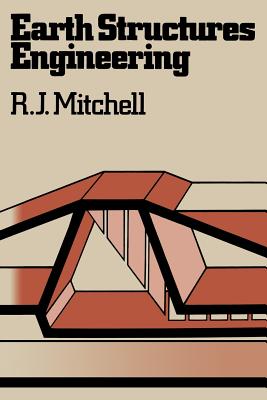
EARTH STRUCTURES ENGINEERING
Paperback · ISBN 9780046240042
Inclusive of GST and other taxes
Arriving at your doorstep in 10-15 days
Our logisitcs team will make sure everyitem is delivered safely
| ISBN | 9780046240042 |
|---|---|
| Subtitle | EARTH STRUCTURES ENGINEERING |
| Publisher | Springer |
| Publication date | July 1983 |
| Language | English |
| MRP | £44.99 GBP |
| Page count | 280 |
| Item weight | 88 g |
Earth structures engineering involves the analysis, design and construction of structures, such as slopes and dams, that are composed mainly of earth materials, and this is a growth area in geotechnical engineering practice. This growth is due largely to increased involvement in designing various types of earth structures for the resources industries (slopes, impoundment structures, offshore islands, mine backfills), to the development of increas- ingly large hydroelectric projects, to the need for more freshwater storage and diversion schemes, and to the need for transportation, communications and other facilities in areas where the natural earth materials are occasionally subject to mass instabilities. Although geotechnical engineering transects traditional disciplinary boundaries of civil, geological and mining engineering, the majority of geotechnical engineers are graduates from civil engineering schools. Here the geotechnical instruction has been concentrated on soil mechanics and foundation engineering because foundation engineering has traditionally been the major component of geotechnical practice. Geotechnical special- ists, however, generally have acquired considerable formal or informal training beyond their first engineering degree, and an advanced degree with considerable cross-discipline course content is still considered an advantage for a young engineer entering a career in geotechnical engineering. Practical job experience is, of course, a necessary part of professional development but is readily interpreted and assimilated only if the required background training has been obtained.
Log in to write a review for this book.
No reviews yet. Be the first to share your opinion.
Biography not available.