Vincent, Salom Gnana Thanga Author
Biography not available.

Browse all FOLKLORE books
Browse all GARDENS books
Browse all GRAPHIC NOVELS books
Browse all HISTORY - MEDIEVAL books
Browse all HUMOUR books
Browse all Juvenile Fiction : Biographical - Other books
Browse all Juvenile Fiction : Historical - Other books
Browse all Juvenile Fiction : Legends, Myths, & Fables - Other books
Browse all Juvenile Fiction : People & Places - Other books
Browse all Juvenile Fiction : People & Places - United States - Other books
Browse all Juvenile Fiction : Religious - Other books
Browse all Juvenile Nonfiction : History - Other books
Browse all Juvenile Nonfiction : Mathematics - Advanced books
Browse all Juvenile Nonfiction : People & Places - Other books
Browse all Juvenile Nonfiction : People & Places - United States - Othe books
Browse all LITERARY STUDIES books
Browse all LONDON books
Browse all Medical : Nursing - Mental Health books
Browse all MIND books
Browse all MUSEOLOGY books
Browse all NON-CLASSIFIABLE books
Browse all NONLINEAR SCIENCE books
Browse all POPULAR SCIENCE books
Browse all RELIGIOUS STUDIES books
Browse all SPIRIT books
Browse all SPORT books
Browse all TRAVEL WRITING books
 Out of Stock
Paperback · ISBN 9780128151655
Inclusive of GST and other taxes
Arriving at your doorstep in 10-15 days
Our logisitcs team will make sure everyitem is delivered safely
| ISBN | 9780128151655 |
|---|---|
| Publisher | Elsevier |
| Publication date | June 2021 |
| Language | English |
| MRP | £118.00 GBP |
| Page count | 208 |
| Item weight | 63 g |
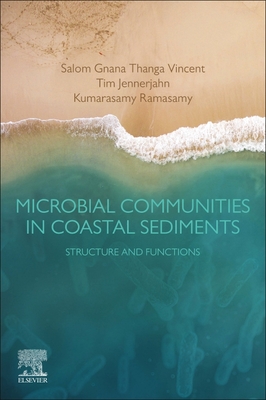
A concise reference on the structural composition and function of microbial communities in coastal environments, especially in relation to natural and anthropogenic impacts.
Microbial Communities in Coastal Sediments presents twenty years of coastal microbiology research, grounding it as a vital development in the field of microbial ecology. It is the first book to focus exclusively on the complex microbial ecology and its function in rest of the marine environment. The book outlines the structure, function, and assessment of microbial communities in marine sediments while exploring practical methods of assessment. It is an invaluable resource to aquatic microbiologists, marine ecologists, marine microbiologists, aquatic researchers, and graduate students in this field.
Microbial Communities in Coastal Sediments begins with an examination of nutrient sources in the coastal context with a focus on organic matter inputs. The quantity and quality of organic matter in coastal sediments and their impacts on the composition and formation of microbial communities is discussed. The book explores the consequences of anthropogenic changes and human activity on microbial ecology and nutrient cycling. Sections on nutrient availability, green house gas production and biodegradation of persistent organic pollutants provide essential details. Molecular research techniques and methods for assessing microbial community structure and function in coastal sediments are also covered.
Log in to write a review for this book.
No reviews yet. Be the first to share your opinion.
Biography not available.
Biography not available.
Biography not available.