Brambilla, Arianna Author
Biography not available.

Browse all FOLKLORE books
Browse all GARDENS books
Browse all GRAPHIC NOVELS books
Browse all HISTORY - MEDIEVAL books
Browse all HUMOUR books
Browse all Juvenile Fiction : Biographical - Other books
Browse all Juvenile Fiction : Historical - Other books
Browse all Juvenile Fiction : Legends, Myths, & Fables - Other books
Browse all Juvenile Fiction : People & Places - Other books
Browse all Juvenile Fiction : People & Places - United States - Other books
Browse all Juvenile Fiction : Religious - Other books
Browse all Juvenile Nonfiction : History - Other books
Browse all Juvenile Nonfiction : Mathematics - Advanced books
Browse all Juvenile Nonfiction : People & Places - Other books
Browse all Juvenile Nonfiction : People & Places - United States - Othe books
Browse all LITERARY STUDIES books
Browse all LONDON books
Browse all Medical : Nursing - Mental Health books
Browse all MIND books
Browse all MUSEOLOGY books
Browse all NON-CLASSIFIABLE books
Browse all NONLINEAR SCIENCE books
Browse all POPULAR SCIENCE books
Browse all RELIGIOUS STUDIES books
Browse all SPIRIT books
Browse all SPORT books
Browse all TRAVEL WRITING books
 Out of Stock
Paperback · ISBN 9780128210970
Inclusive of GST and other taxes
Arriving at your doorstep in 10-15 days
Our logisitcs team will make sure everyitem is delivered safely
| ISBN | 9780128210970 |
|---|---|
| Publisher | Woodhead Publishing |
| Publication date | June 2021 |
| Language | English |
| MRP | £137.00 GBP |
| Page count | 200 |
| Item weight | 61 g |
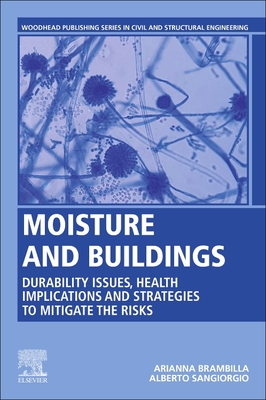
One in three homes, on average, suffer from excessive dampness and mould proliferation, with significant health and economic impacts. The combination of new construction methodologies, stricter airtightness requirements and the changing social and cultural context that influences the way we live inside buildings has created unprecedented challenges for the built environment. In modifying indoor and outdoor environments and the building envelopes that serve as a filter between the two, we are changing the physical parameters of the ways in which buildings behave and respond to climatic stimuli. Understanding and predicting the way in which buildings and moisture may interact should be an important step in the design process, aiming to minimise possible negative long-term consequences. Understanding and predicting the way in which buildings and moisture may interact is, today more than ever, essential yet difficult, as the experience of the past has lost its applicability. Moisture-related issues never have a simple solution, since they involve multiple factors, including design, construction, maintenance, materials, climate and occupation pattern. Thus, while the topic is attracting growing attention among researchers, designers and practitioners, the pace with which actual change is occurring is still too slow.
Moisture and Buildings provides a critical overview of current research, knowledge and policy frameworks, and presents a comprehensive analysis of the implications of moisture and the importance of accounting for it during the design process. It responds to the urgent need for a systematic organization of the existing knowledge to identify research gaps and provide directions for future developments. The ultimate goal is to increase awareness of the multifaceted implications of hygrothermal phenomena and promote integrated design processes that lead to healthier and more durable constructions.
Log in to write a review for this book.
No reviews yet. Be the first to share your opinion.
Biography not available.
Biography not available.