JASPER Author
Biography not available.

Browse all FOLKLORE books
Browse all GARDENS books
Browse all GRAPHIC NOVELS books
Browse all HISTORY - MEDIEVAL books
Browse all HUMOUR books
Browse all Juvenile Fiction : Biographical - Other books
Browse all Juvenile Fiction : Historical - Other books
Browse all Juvenile Fiction : Legends, Myths, & Fables - Other books
Browse all Juvenile Fiction : People & Places - Other books
Browse all Juvenile Fiction : People & Places - United States - Other books
Browse all Juvenile Fiction : Religious - Other books
Browse all Juvenile Nonfiction : History - Other books
Browse all Juvenile Nonfiction : Mathematics - Advanced books
Browse all Juvenile Nonfiction : People & Places - Other books
Browse all Juvenile Nonfiction : People & Places - United States - Othe books
Browse all LITERARY STUDIES books
Browse all LONDON books
Browse all Medical : Nursing - Mental Health books
Browse all MIND books
Browse all MUSEOLOGY books
Browse all NON-CLASSIFIABLE books
Browse all NONLINEAR SCIENCE books
Browse all POPULAR SCIENCE books
Browse all RELIGIOUS STUDIES books
Browse all SPIRIT books
Browse all SPORT books
Browse all TRAVEL WRITING books
 Out of Stock
Hardback · ISBN 9780190050047
Inclusive of GST and other taxes
Arriving at your doorstep in 10-15 days
Our logisitcs team will make sure everyitem is delivered safely
| ISBN | 9780190050047 |
|---|---|
| Publisher | Academic |
| Publication date | January 2020 |
| Language | English |
| MRP | £37.99 GBP |
| Page count | 320 |
| Item weight | 138 g |
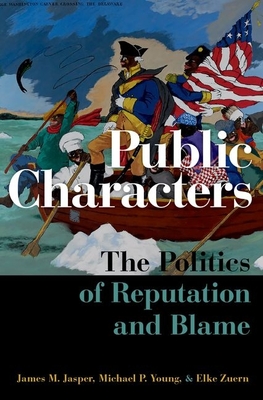
Recent political analysis has ignored the great characters of the past in favor of frames, heuristics, codes, and identities. In Public Characters, James M. Jasper, Michael P. Young, and Elke Zuern argue that character, reputation, and images matter in politics, and social life more generally, as they help mobilize people and their passions. First, they focus on the political construction of openly constructed and debated public characters to show how we can allocate praise and blame, identify social problems, cement identities and allegiances, develop policies, and articulate our moral intuitions through them. The authors demonstrate the nuances of characters and their interactions across a range of sources-including Shakespeare, Game of Thrones, Renaissance sculpture, modern comic books, Alexander the Great, and Bernie Madoff-all the while showing how public characters are used in political rhetoric. Finally, they complicate these characters by considering their transformations: when victims manage to become heroes and the way traditional moral characters have evolved over time to correspond with what different cultures admire, detest, or pity.
This rich, detailed, and wide-ranging analysis of personal images and reputation marks a timely and crucial contribution for sociologists and political scientists concerned with the cultural dimensions of political life.
Log in to write a review for this book.
No reviews yet. Be the first to share your opinion.
Biography not available.