Teitel, Ruti G. Author
Biography not available.

Browse all FOLKLORE books
Browse all GARDENS books
Browse all GRAPHIC NOVELS books
Browse all HISTORY - MEDIEVAL books
Browse all HUMOUR books
Browse all Juvenile Fiction : Biographical - Other books
Browse all Juvenile Fiction : Historical - Other books
Browse all Juvenile Fiction : Legends, Myths, & Fables - Other books
Browse all Juvenile Fiction : People & Places - Other books
Browse all Juvenile Fiction : People & Places - United States - Other books
Browse all Juvenile Fiction : Religious - Other books
Browse all Juvenile Nonfiction : History - Other books
Browse all Juvenile Nonfiction : Mathematics - Advanced books
Browse all Juvenile Nonfiction : People & Places - Other books
Browse all Juvenile Nonfiction : People & Places - United States - Othe books
Browse all LITERARY STUDIES books
Browse all LONDON books
Browse all Medical : Nursing - Mental Health books
Browse all MIND books
Browse all MUSEOLOGY books
Browse all NON-CLASSIFIABLE books
Browse all NONLINEAR SCIENCE books
Browse all POPULAR SCIENCE books
Browse all RELIGIOUS STUDIES books
Browse all SPIRIT books
Browse all SPORT books
Browse all TRAVEL WRITING books
 Out of Stock
GLOBALIZING TRANSITIONAL JUSTI
Paperback · ISBN 9780190221379
Inclusive of GST and other taxes
Arriving at your doorstep in 10-15 days
Our logisitcs team will make sure everyitem is delivered safely
| ISBN | 9780190221379 |
|---|---|
| Subtitle | GLOBALIZING TRANSITIONAL JUSTI |
| Publisher | Oxford University Press |
| Publication date | December 2015 |
| Language | English |
| MRP | £52.00 GBP |
| Page count | 250 |
| Item weight | 86 g |
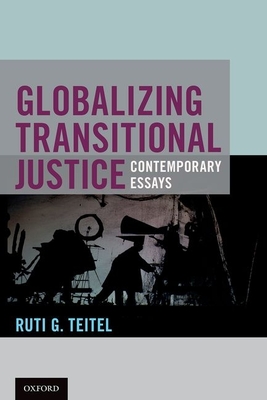
In Globalizing Transitional Justice, Ruti G. Teitel provides a collection of her own essays that embody her evolving reflections on the practice and discourse of transitional justice since her book Transitional Justice published back in 2000. In this new book, Teitel focuses on the ways in which transitional justice concepts have found legal expression, especially through human rights law and jurisprudence, and international criminal law. These essays shed light on some of the difficult choices encountered in the design of transitional justice: criminal trials vs. amnesties, or truth commissions; domestic or international processes; peace and reconciliation vs. accountability and punishment. Transitional justice is considered not only in relation to political events and legal developments, but also in relation to the broader social and cultural tendencies of our times.
Log in to write a review for this book.
No reviews yet. Be the first to share your opinion.
Biography not available.