Bulman, William J. Author
Biography not available.

Browse all FOLKLORE books
Browse all GARDENS books
Browse all GRAPHIC NOVELS books
Browse all HISTORY - MEDIEVAL books
Browse all HUMOUR books
Browse all Juvenile Fiction : Biographical - Other books
Browse all Juvenile Fiction : Historical - Other books
Browse all Juvenile Fiction : Legends, Myths, & Fables - Other books
Browse all Juvenile Fiction : People & Places - Other books
Browse all Juvenile Fiction : People & Places - United States - Other books
Browse all Juvenile Fiction : Religious - Other books
Browse all Juvenile Nonfiction : History - Other books
Browse all Juvenile Nonfiction : Mathematics - Advanced books
Browse all Juvenile Nonfiction : People & Places - Other books
Browse all Juvenile Nonfiction : People & Places - United States - Othe books
Browse all LITERARY STUDIES books
Browse all LONDON books
Browse all Medical : Nursing - Mental Health books
Browse all MIND books
Browse all MUSEOLOGY books
Browse all NON-CLASSIFIABLE books
Browse all NONLINEAR SCIENCE books
Browse all POPULAR SCIENCE books
Browse all RELIGIOUS STUDIES books
Browse all SPIRIT books
Browse all SPORT books
Browse all TRAVEL WRITING books
 Out of Stock
Paperback · ISBN 9780190267087
Inclusive of GST and other taxes
Arriving at your doorstep in 10-15 days
Our logisitcs team will make sure everyitem is delivered safely
| ISBN | 9780190267087 |
|---|---|
| Publisher | OUP US |
| Publication date | May 2016 |
| Language | English |
| MRP | £39.99 GBP |
| Page count | 338 |
| Item weight | 105 g |
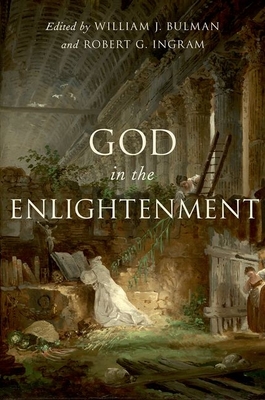
In this book, William J. Bulman and Robert G. Ingram bring together recent scholarship from distinguished experts in history, theology, and literature to make clear that God not only survived the Enlightenment but thrived within it as well. The Enlightenment was not a radical break from the past in which Europeans jettisoned their intellectual and institutional inheritance. It was, to be sure, a moment of great change, but one in which the characteristic convictions and traditions of the Renaissance and Reformation were perpetuated to the point of transformation, in the wake of the Wars of Religion and during the early phases of globalization. The Enlightenment's primary imperatives were not freedom and irreligion but peace and prosperity. As a result, Enlightenment could be Christian, communitarian, or authoritarian as easily as it could be atheistic, individualistic, or libertarian.
Honing in on the intellectual crisis of the late seventeenth and early eighteenth centuries while moving from Spinoza to Kant and from India to Peru, God in the Enlightenment takes a prism to the age of lights.
Log in to write a review for this book.
No reviews yet. Be the first to share your opinion.
Biography not available.