Mikkola, Mari Author
Biography not available.

Browse all FOLKLORE books
Browse all GARDENS books
Browse all GRAPHIC NOVELS books
Browse all HISTORY - MEDIEVAL books
Browse all HUMOUR books
Browse all Juvenile Fiction : Biographical - Other books
Browse all Juvenile Fiction : Historical - Other books
Browse all Juvenile Fiction : Legends, Myths, & Fables - Other books
Browse all Juvenile Fiction : People & Places - Other books
Browse all Juvenile Fiction : People & Places - United States - Other books
Browse all Juvenile Fiction : Religious - Other books
Browse all Juvenile Nonfiction : History - Other books
Browse all Juvenile Nonfiction : Mathematics - Advanced books
Browse all Juvenile Nonfiction : People & Places - Other books
Browse all Juvenile Nonfiction : People & Places - United States - Othe books
Browse all LITERARY STUDIES books
Browse all LONDON books
Browse all Medical : Nursing - Mental Health books
Browse all MIND books
Browse all MUSEOLOGY books
Browse all NON-CLASSIFIABLE books
Browse all NONLINEAR SCIENCE books
Browse all POPULAR SCIENCE books
Browse all RELIGIOUS STUDIES books
Browse all SPIRIT books
Browse all SPORT books
Browse all TRAVEL WRITING books
 Out of Stock
Paperback · ISBN 9780190640071
Inclusive of GST and other taxes
Arriving at your doorstep in 10-15 days
Our logisitcs team will make sure everyitem is delivered safely
| ISBN | 9780190640071 |
|---|---|
| Publisher | Oxford University Press, USA |
| Publication date | February 2019 |
| Language | English |
| MRP | £39.99 GBP |
| Page count | 310 |
| Item weight | 85 g |
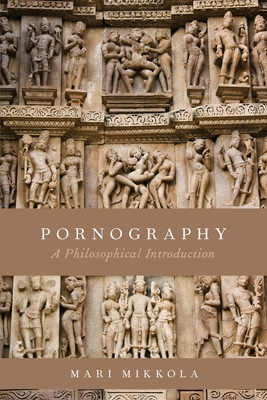
Answering these questions is complicated by widespread confusion over the conceptual and political commitments of different anti- and pro-pornography positions, and whether these positions are even in tension with one another. For a start, different people understand pornography differently and can easily end up talking past one another. In order to clarify the debate and make genuine philosophical headway in discussing the topic of pornography, Mari Mikkola here provides an accessible introduction to contemporary philosophical debates conducted from a feminist philosophical perspective. The starting point of the book's examination is morally neutral, and the book provides a comprehensive discussion of various philosophical positions on pornography that are found in ethics, aesthetics, feminist philosophy, political philosophy, epistemology, and social ontology. The book clarifies different stances in the debate, thus clarifying and helping readers to understand what exactly is as stake. In addition, although the book does not argue for a single outlook, it puts forward substantive philosophical views on different aspects of philosophical debates about pornography. Mikkola ultimately offers readers important methodological insights about doing philosophical work on something as ubiquitous as pornography.
Log in to write a review for this book.
No reviews yet. Be the first to share your opinion.
Biography not available.