Straker, Tracey Editor
Biography not available.

Browse all ART CRITICISM books
Browse all Ashworth books
Browse all BUSINESS AND ECONOMICS books
Browse all FOLKLORE books
Browse all GARDENS books
Browse all GRAPHIC NOVELS books
Browse all HISTORY - MEDIEVAL books
Browse all HUMOUR books
Browse all Juvenile Fiction : Biographical - Other books
Browse all Juvenile Fiction : Historical - Other books
Browse all Juvenile Fiction : Legends, Myths, & Fables - Other books
Browse all Juvenile Fiction : People & Places - Other books
Browse all Juvenile Fiction : People & Places - United States - Other books
Browse all Juvenile Fiction : Religious - Other books
Browse all Juvenile Nonfiction : History - Other books
Browse all Juvenile Nonfiction : Mathematics - Advanced books
Browse all Juvenile Nonfiction : People & Places - Other books
Browse all Juvenile Nonfiction : People & Places - United States - Othe books
Browse all KINDRED books
Browse all LITERARY STUDIES books
Browse all LONDON books
Browse all Lozada books
Browse all Medical : Nursing - Mental Health books
Browse all MIND books
Browse all MUSEOLOGY books
Browse all NON-CLASSIFIABLE books
Browse all NONLINEAR SCIENCE books
Browse all POPULAR SCIENCE books
Browse all RELIGIOUS STUDIES books
Browse all SPIRIT books
Browse all SPORT books
Browse all TRAVEL WRITING books
 Out of Stock
Hardback · ISBN 9780190850692
Inclusive of GST and other taxes
Arriving at your doorstep in 10-15 days
Our logisitcs team will make sure everyitem is delivered safely
| ISBN | 9780190850692 |
|---|---|
| Publisher | OXFORD UNIV PR |
| Publication date | December 2018 |
| Language | English |
| MRP | £157.50 GBP |
| Page count | 478 |
| Item weight | 306 g |
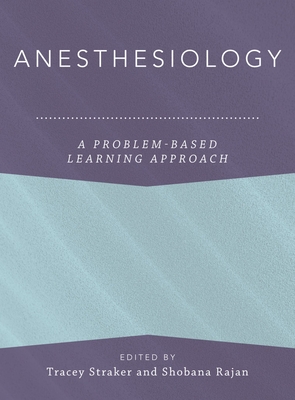
This new volume for the Anesthesiology Problem-Based Learning series reviews topics in general anesthesiology utilizing the PBL approach. Each chapter deals with conditions and problems in anesthesia practice presented as a case stem with questions to encourage critical thinking, followed by an evidence-based discussion and multiple-choice questions for self-assessment. Current in its knowledge of organ systems and management, the text keeps pace with new technology, new drugs, and new surgical techniques coupled with current guidelines for anesthetic management. Cases highlight the practical issues that arise in the operating room and offers solutions for them.
The book can be used to review an upcoming clinical case or as a PBL tool. The 'Stem Case' and 'Key Questions and Discussion' sections can serve as the basis for interactive learning experiences for study groups or as a broad yet in-depth clinical review of the specialty for the individual learner. Self-assessment questions can be used as a measure of knowledge acquisition or simply as a question bank to prepare for examinations.
Log in to write a review for this book.
No reviews yet. Be the first to share your opinion.
Biography not available.
Biography not available.
Biography not available.