Valls, Andrew Author
Biography not available.

Browse all FOLKLORE books
Browse all GARDENS books
Browse all GRAPHIC NOVELS books
Browse all HISTORY - MEDIEVAL books
Browse all HUMOUR books
Browse all Juvenile Fiction : Biographical - Other books
Browse all Juvenile Fiction : Historical - Other books
Browse all Juvenile Fiction : Legends, Myths, & Fables - Other books
Browse all Juvenile Fiction : People & Places - Other books
Browse all Juvenile Fiction : People & Places - United States - Other books
Browse all Juvenile Fiction : Religious - Other books
Browse all Juvenile Nonfiction : History - Other books
Browse all Juvenile Nonfiction : Mathematics - Advanced books
Browse all Juvenile Nonfiction : People & Places - Other books
Browse all Juvenile Nonfiction : People & Places - United States - Othe books
Browse all LITERARY STUDIES books
Browse all LONDON books
Browse all Medical : Nursing - Mental Health books
Browse all MIND books
Browse all MUSEOLOGY books
Browse all NON-CLASSIFIABLE books
Browse all NONLINEAR SCIENCE books
Browse all POPULAR SCIENCE books
Browse all RELIGIOUS STUDIES books
Browse all SPIRIT books
Browse all SPORT books
Browse all TRAVEL WRITING books
 Out of Stock
Paperback · ISBN 9780190860561
Inclusive of GST and other taxes
Arriving at your doorstep in 10-15 days
Our logisitcs team will make sure everyitem is delivered safely
| ISBN | 9780190860561 |
|---|---|
| Publisher | Oxford University Press |
| Publication date | September 2018 |
| Language | English |
| MRP | £34.99 GBP |
| Page count | 258 |
| Item weight | 89 g |
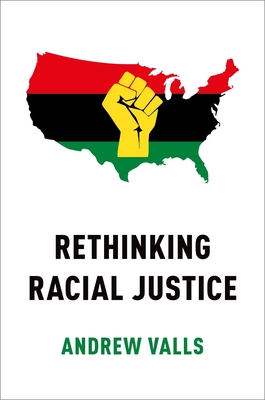
In this book, Andrew Valls considers two solutions, one posed from the political right and one from the left. From the right is the idea that norms of equal treatment require that race be treated as irrelevant--in other words, that public policy and political institutions be race-blind. From the left is the idea that race-conscious policies are temporary, and are justifiable insofar as they promote diversity. This book takes issue with both of these sets of views, and therefore with the constricted ways in which racial justice is debated in the United States today. Valls argues that liberal theory permits, and in some cases requires, race-conscious policies and institutional arrangements in the pursuit of racial equality. In doing so, he aims to do two things: first, to reorient the terms of racial justice and, secondly, to make liberal theory confront its tendency to ignore race in favor of an underspecified commitment to multiculturalism. He argues that the insistence that race-conscious policies be temporary is harmful to the cause of racial justice, defends black-dominated institutions and communities as a viable alternative to integration, and argues against the tendency to subsume claims for racial justice, particularly as they regard African Americans, under more general arguments for diversity.
Log in to write a review for this book.
No reviews yet. Be the first to share your opinion.
Biography not available.