Nannicelli, Ted Author
Biography not available.

Browse all FOLKLORE books
Browse all GARDENS books
Browse all GRAPHIC NOVELS books
Browse all HISTORY - MEDIEVAL books
Browse all HUMOUR books
Browse all Juvenile Fiction : Biographical - Other books
Browse all Juvenile Fiction : Historical - Other books
Browse all Juvenile Fiction : Legends, Myths, & Fables - Other books
Browse all Juvenile Fiction : People & Places - Other books
Browse all Juvenile Fiction : People & Places - United States - Other books
Browse all Juvenile Fiction : Religious - Other books
Browse all Juvenile Nonfiction : History - Other books
Browse all Juvenile Nonfiction : Mathematics - Advanced books
Browse all Juvenile Nonfiction : People & Places - Other books
Browse all Juvenile Nonfiction : People & Places - United States - Othe books
Browse all LITERARY STUDIES books
Browse all LONDON books
Browse all Medical : Nursing - Mental Health books
Browse all MIND books
Browse all MUSEOLOGY books
Browse all NON-CLASSIFIABLE books
Browse all NONLINEAR SCIENCE books
Browse all POPULAR SCIENCE books
Browse all RELIGIOUS STUDIES books
Browse all SPIRIT books
Browse all SPORT books
Browse all TRAVEL WRITING books
 Out of Stock
Hardback · ISBN 9780197507247
Inclusive of GST and other taxes
Arriving at your doorstep in 10-15 days
Our logisitcs team will make sure everyitem is delivered safely
| ISBN | 9780197507247 |
|---|---|
| Publisher | OXFORD UNIV PR |
| Publication date | June 2020 |
| Language | English |
| MRP | £86.00 GBP |
| Page count | 284 |
| Item weight | 127 g |
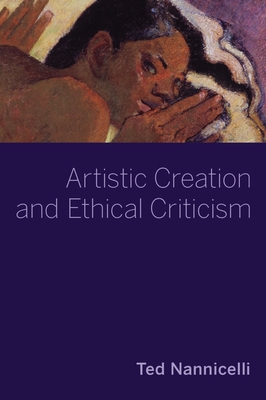
Ted Nannicelli offers three arguments concerning the ethical criticism of art. First, he argues that judgments of an artwork's ethical value are already often made in terms of how it was created, and examines why some art forms more readily lend themselves to this form of ethical appraisal than others. He then asserts that production-oriented evaluations of artworks are less contested than other sorts of ethical criticism and so lead to certain practical consequences-from censure, dismissal, and prosecution to shifts in policy and even legislation. Finally, Nannicelli defends the production-oriented approach, arguing that it is not only tacit in many of our art appreciative practices, but is in fact rationally warranted. There are many cases in which we should ethically critique artworks in terms of how they are created because this approach handles cases that other approaches cannot and results in plausible judgments about the works' relative ethical and artistic value. The concise, powerful arguments presented here will appeal to moral philosophers, philosophers of art and aesthetics, and critics interested in the intersection of artistic production and criticism and ethics.
Log in to write a review for this book.
No reviews yet. Be the first to share your opinion.
Biography not available.