Abdelaaty, Lamis Elmy Author
Biography not available.

Browse all FOLKLORE books
Browse all GARDENS books
Browse all GRAPHIC NOVELS books
Browse all HISTORY - MEDIEVAL books
Browse all HUMOUR books
Browse all Juvenile Fiction : Biographical - Other books
Browse all Juvenile Fiction : Historical - Other books
Browse all Juvenile Fiction : Legends, Myths, & Fables - Other books
Browse all Juvenile Fiction : People & Places - Other books
Browse all Juvenile Fiction : People & Places - United States - Other books
Browse all Juvenile Fiction : Religious - Other books
Browse all Juvenile Nonfiction : History - Other books
Browse all Juvenile Nonfiction : Mathematics - Advanced books
Browse all Juvenile Nonfiction : People & Places - Other books
Browse all Juvenile Nonfiction : People & Places - United States - Othe books
Browse all LITERARY STUDIES books
Browse all LONDON books
Browse all Medical : Nursing - Mental Health books
Browse all MIND books
Browse all MUSEOLOGY books
Browse all NON-CLASSIFIABLE books
Browse all NONLINEAR SCIENCE books
Browse all POPULAR SCIENCE books
Browse all RELIGIOUS STUDIES books
Browse all SPIRIT books
Browse all SPORT books
Browse all TRAVEL WRITING books
 Out of Stock
Hardback · ISBN 9780197530061
Inclusive of GST and other taxes
Arriving at your doorstep in 10-15 days
Our logisitcs team will make sure everyitem is delivered safely
| ISBN | 9780197530061 |
|---|---|
| Publisher | OXFORD UNIV PR |
| Publication date | February 2021 |
| Language | English |
| MRP | £86.00 GBP |
| Page count | 248 |
| Item weight | 116 g |
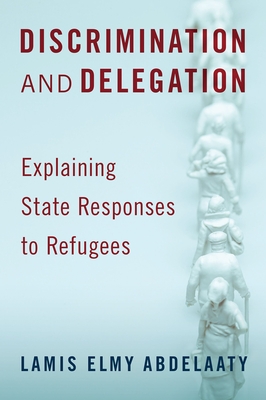
In this book, Lamis Elmy Abdelaaty asks why states sometimes assert their sovereignty vis-à-vis refugee rights and at other times seemingly cede it by delegating refugee oversight to the United Nations. To explain this selective exercise of sovereignty, Abdelaaty develops a two-part theoretical framework in which policymakers in refugee-receiving countries weigh international and domestic concerns. Policymakers in a receiving country might decide to offer protection to refugees from a rival country in order to undermine the sending country's stability, saddle it with reputation costs, and even engage in guerilla-style cross-border attacks. At the domestic level, policymakers consider political competition among ethnic groups--welcoming refugees who are ethnic kin of citizens can satisfy domestic constituencies, expand the base of support for the government, and encourage mobilization along ethnic lines. When these international and domestic incentives conflict, the state shifts responsibility for refugees to the UN, which allows policymakers to placate both refugee-sending countries and domestic constituencies.
Abdelaaty analyzes asylum admissions worldwide, and then examines three case studies in-depth: Egypt (a country that is broadly representative of most refugee recipients), Turkey (an outlier that has limited the geographic application of the Refugee Convention), and Kenya (home to one of the largest refugee populations in the world). Discrimination and Delegation argues that foreign policy and ethnic identity, more so than resources, humanitarianism, or labor skills, shape reactions to refugees.
Log in to write a review for this book.
No reviews yet. Be the first to share your opinion.
Biography not available.