FRACCHIA Author
Biography not available.

Browse all FOLKLORE books
Browse all GARDENS books
Browse all GRAPHIC NOVELS books
Browse all HISTORY - MEDIEVAL books
Browse all HUMOUR books
Browse all Juvenile Fiction : Biographical - Other books
Browse all Juvenile Fiction : Historical - Other books
Browse all Juvenile Fiction : Legends, Myths, & Fables - Other books
Browse all Juvenile Fiction : People & Places - Other books
Browse all Juvenile Fiction : People & Places - United States - Other books
Browse all Juvenile Fiction : Religious - Other books
Browse all Juvenile Nonfiction : History - Other books
Browse all Juvenile Nonfiction : Mathematics - Advanced books
Browse all Juvenile Nonfiction : People & Places - Other books
Browse all Juvenile Nonfiction : People & Places - United States - Othe books
Browse all LITERARY STUDIES books
Browse all LONDON books
Browse all Medical : Nursing - Mental Health books
Browse all MIND books
Browse all MUSEOLOGY books
Browse all NON-CLASSIFIABLE books
Browse all NONLINEAR SCIENCE books
Browse all POPULAR SCIENCE books
Browse all RELIGIOUS STUDIES books
Browse all SPIRIT books
Browse all SPORT books
Browse all TRAVEL WRITING books
 Out of Stock
Hardback · ISBN 9780198767978
Inclusive of GST and other taxes
Arriving at your doorstep in 10-15 days
Our logisitcs team will make sure everyitem is delivered safely
| ISBN | 9780198767978 |
|---|---|
| Publisher | Academic |
| Publication date | October 2019 |
| Language | English |
| MRP | £115.00 GBP |
| Page count | 266 |
| Item weight | 122 g |
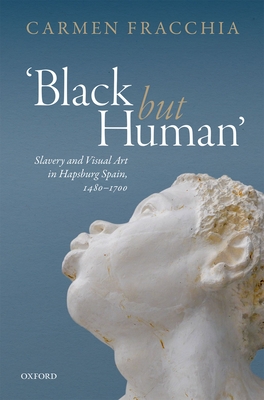
The African presence in the Iberian Peninsula between the late fifteenth century and the end of the seventeenth century was as a result of the institutionalization of the local and transatlantic slave trades. In addition to the Moors, Berbers and Turks born as slaves, there were approximately two million enslaved people in the kingdoms of Castile, Aragon and Portugal. The 'Black but Human' topos that emerges from the African work songs and poems written by Afro-Hispanics encodes the multi-layered processes through which a black emancipatory subject emerges and a 'black nation' forges a collective resistance. It is visually articulated by Afro-Hispanic and Spanish artists in religious paintings and in the genres of self-portraiture and portraiture. This extraordinary imagery coexists with the stereotypical representations of African slaves and ex-slaves by Spanish sculptors, engravers, jewellers, and painters mainly in the religious visual form and by European draftsmen and miniaturists, in their landscape drawings and sketches for costume books.
Log in to write a review for this book.
No reviews yet. Be the first to share your opinion.
Biography not available.