TRIPKOVIC Author
Biography not available.

Browse all FOLKLORE books
Browse all GARDENS books
Browse all GRAPHIC NOVELS books
Browse all HISTORY - MEDIEVAL books
Browse all HUMOUR books
Browse all Juvenile Fiction : Biographical - Other books
Browse all Juvenile Fiction : Historical - Other books
Browse all Juvenile Fiction : Legends, Myths, & Fables - Other books
Browse all Juvenile Fiction : People & Places - Other books
Browse all Juvenile Fiction : People & Places - United States - Other books
Browse all Juvenile Fiction : Religious - Other books
Browse all Juvenile Nonfiction : History - Other books
Browse all Juvenile Nonfiction : Mathematics - Advanced books
Browse all Juvenile Nonfiction : People & Places - Other books
Browse all Juvenile Nonfiction : People & Places - United States - Othe books
Browse all KINDRED books
Browse all LITERARY STUDIES books
Browse all LONDON books
Browse all Medical : Nursing - Mental Health books
Browse all MIND books
Browse all MUSEOLOGY books
Browse all NON-CLASSIFIABLE books
Browse all NONLINEAR SCIENCE books
Browse all POPULAR SCIENCE books
Browse all RELIGIOUS STUDIES books
Browse all SPIRIT books
Browse all SPORT books
Browse all TRAVEL WRITING books
 Out of Stock
Hardback · ISBN 9780198808084
Inclusive of GST and other taxes
Arriving at your doorstep in 10-15 days
Our logisitcs team will make sure everyitem is delivered safely
| ISBN | 9780198808084 |
|---|---|
| Publisher | Academic |
| Publication date | December 2017 |
| Language | English |
| MRP | £107.50 GBP |
| Page count | 260 |
| Item weight | 120 g |
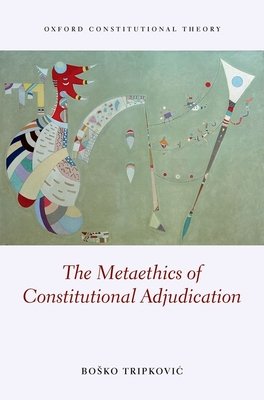
The book identifies three dominant types of value-based arguments in comparative constitutional practice: arguments from constitutional identity, common sentiment, and universal reason, and explains why they fail as self-standing approaches to moral judgment. It then suggests that the appropriate moral judgments emerge from the dynamics between practical confidence, which denotes the inescapability of the self and the evaluative attitudes it entails, and reflection, which denotes the process of challenging and questioning these attitudes.
The book applies the notions of confidence and reflection to constitutional reasoning and maintains that the moral inquiry of the constitutional court ought to depart from the emotive intuitions of the constitutional community and then challenge these intuitions through reflective exposure to different perspectives in order to better understand and develop the underlying constitutional identity. The book casts new light on common constitutional dilemmas and allows us to envisage new ways of resolving them.
Log in to write a review for this book.
No reviews yet. Be the first to share your opinion.
Biography not available.