Nattrass, Nicoli Author
Biography not available.

Browse all FOLKLORE books
Browse all GARDENS books
Browse all GRAPHIC NOVELS books
Browse all HISTORY - MEDIEVAL books
Browse all HUMOUR books
Browse all Juvenile Fiction : Biographical - Other books
Browse all Juvenile Fiction : Historical - Other books
Browse all Juvenile Fiction : Legends, Myths, & Fables - Other books
Browse all Juvenile Fiction : People & Places - Other books
Browse all Juvenile Fiction : People & Places - United States - Other books
Browse all Juvenile Fiction : Religious - Other books
Browse all Juvenile Nonfiction : History - Other books
Browse all Juvenile Nonfiction : Mathematics - Advanced books
Browse all Juvenile Nonfiction : People & Places - Other books
Browse all Juvenile Nonfiction : People & Places - United States - Othe books
Browse all LITERARY STUDIES books
Browse all LONDON books
Browse all Medical : Nursing - Mental Health books
Browse all MIND books
Browse all MUSEOLOGY books
Browse all NON-CLASSIFIABLE books
Browse all NONLINEAR SCIENCE books
Browse all POPULAR SCIENCE books
Browse all RELIGIOUS STUDIES books
Browse all SPIRIT books
Browse all SPORT books
Browse all TRAVEL WRITING books
 Out of Stock
Hardback · ISBN 9780198841463
Inclusive of GST and other taxes
Arriving at your doorstep in 10-15 days
Our logisitcs team will make sure everyitem is delivered safely
| ISBN | 9780198841463 |
|---|---|
| Publisher | OXFORD UNIV PR |
| Publication date | July 2019 |
| Language | English |
| MRP | £84.00 GBP |
| Page count | 230 |
| Item weight | 111 g |
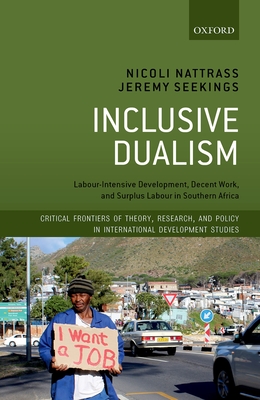
Using the South African clothing industry as a case study Inclusive Dualism argues that decent work fundamentalism ignores the inherently differentiated character of industry resulting in the unnecessary destruction of labour-intensive jobs and the bifurcation of society into highly-paid, high-productivity insiders and low-paid or unemployed outsiders. It demonstrates the broader relevance of the South Africa case, examining the growth in surplus labour across Africa. It shows that low- and high-productivity firms can co-exist, and challenges the notion that a race to the bottom is inevitable. Inclusive Dualism instead favours multi-pronged development strategies that prioritise labour-intensive job creation as well as facilitating productivity growth elsewhere without destroying jobs.
Log in to write a review for this book.
No reviews yet. Be the first to share your opinion.
Biography not available.
Biography not available.