HAYES, ROTH Author
Biography not available.

Browse all FOLKLORE books
Browse all GARDENS books
Browse all GRAPHIC NOVELS books
Browse all HISTORY - MEDIEVAL books
Browse all HUMOUR books
Browse all Juvenile Fiction : Biographical - Other books
Browse all Juvenile Fiction : Historical - Other books
Browse all Juvenile Fiction : Legends, Myths, & Fables - Other books
Browse all Juvenile Fiction : People & Places - Other books
Browse all Juvenile Fiction : People & Places - United States - Other books
Browse all Juvenile Fiction : Religious - Other books
Browse all Juvenile Nonfiction : History - Other books
Browse all Juvenile Nonfiction : Mathematics - Advanced books
Browse all Juvenile Nonfiction : People & Places - Other books
Browse all Juvenile Nonfiction : People & Places - United States - Othe books
Browse all KINDRED books
Browse all LITERARY STUDIES books
Browse all LONDON books
Browse all Medical : Nursing - Mental Health books
Browse all MIND books
Browse all MUSEOLOGY books
Browse all NON-CLASSIFIABLE books
Browse all NONLINEAR SCIENCE books
Browse all POPULAR SCIENCE books
Browse all RELIGIOUS STUDIES books
Browse all SPIRIT books
Browse all SPORT books
Browse all TRAVEL WRITING books
 Out of Stock
Hardback · ISBN 9780199211869
Inclusive of GST and other taxes
Arriving at your doorstep in 10-15 days
Our logisitcs team will make sure everyitem is delivered safely
| ISBN | 9780199211869 |
|---|---|
| Publisher | Academic |
| Publication date | November 2010 |
| Language | English |
| MRP | £165.00 GBP |
| Page count | 792 |
| Item weight | 319 g |
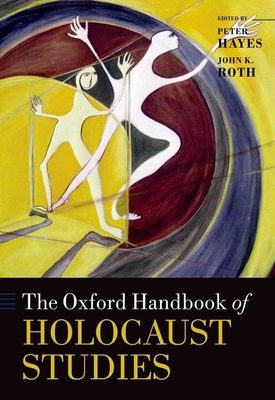
The handbook is thematically divided into five broad sections. Part One, Enablers, concentrates on the broad and necessary contextual conditions for the Holocaust. Part Two, Protagonists, concentrates on the principal persons and groups involved in the Holocaust and attempts to disaggregate the conventional interpretive categories of perpetrator, victim, and bystander. It examines the agency of the Nazi leaders and killers and of those involved in resisting and surviving the assault. Part Three, Settings, concentrates on the particular places, sites, and physical circumstances where the actions of the Holocaust's protagonists and the forms of persecution were literally grounded. Part Four, Representations, engages complex questions about how the Holocaust can and should be grasped and what meaning or lack of meaning might be attributed to events through historical analysis, interpretation of texts, artistic creation and criticism, and philosophical and religious reflection. Part Five, Aftereffects, explores the Holocaust's impact on politics and ethics, education and religion, national identities and international relations, the prospects for genocide prevention, and the defense of human rights.
Log in to write a review for this book.
No reviews yet. Be the first to share your opinion.
Biography not available.