Strawson, Galen Author
Biography not available.

Browse all FOLKLORE books
Browse all GARDENS books
Browse all GRAPHIC NOVELS books
Browse all HISTORY - MEDIEVAL books
Browse all HUMOUR books
Browse all Juvenile Fiction : Biographical - Other books
Browse all Juvenile Fiction : Historical - Other books
Browse all Juvenile Fiction : Legends, Myths, & Fables - Other books
Browse all Juvenile Fiction : People & Places - Other books
Browse all Juvenile Fiction : People & Places - United States - Other books
Browse all Juvenile Fiction : Religious - Other books
Browse all Juvenile Nonfiction : History - Other books
Browse all Juvenile Nonfiction : Mathematics - Advanced books
Browse all Juvenile Nonfiction : People & Places - Other books
Browse all Juvenile Nonfiction : People & Places - United States - Othe books
Browse all LITERARY STUDIES books
Browse all LONDON books
Browse all Medical : Nursing - Mental Health books
Browse all MIND books
Browse all MUSEOLOGY books
Browse all NON-CLASSIFIABLE books
Browse all NONLINEAR SCIENCE books
Browse all POPULAR SCIENCE books
Browse all RELIGIOUS STUDIES books
Browse all SPIRIT books
Browse all SPORT books
Browse all TRAVEL WRITING books
 Out of Stock
Hardback · ISBN 9780199247493
Inclusive of GST and other taxes
Arriving at your doorstep in 10-15 days
Our logisitcs team will make sure everyitem is delivered safely
| ISBN | 9780199247493 |
|---|---|
| Publisher | OUP Oxford |
| Publication date | August 2010 |
| Language | English |
| MRP | £110.00 GBP |
| Page count | 338 |
| Item weight | 144 g |
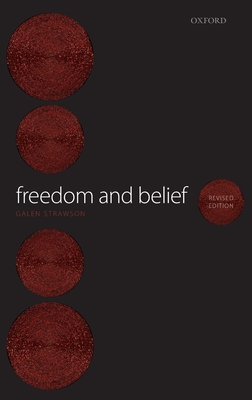
This is a revised and updated edition of Galen Strawson's groundbreaking first book, where he argues that there is a fundamental sense in which there is no such thing as free will or true moral responsibility (as this is ordinarily understood). This conclusion is very hard to accept. On the whole we continue to believe firmly both that we have free will and that we are truly morally responsible for what we do. Strawson devotes much of the book to an attempt to explain why this is so. He examines various aspects of the 'cognitive phenomenology' of freedom - the nature, causes, and consequences of our deep commitment to belief in freedom. In particular, he considers at length a number of problems that are raised by the suggestion that, if freedom were possible, believing oneself to be a free agent would be a necessary condition of being a free agent.
Log in to write a review for this book.
No reviews yet. Be the first to share your opinion.
Biography not available.