Eliot, Karen Author
Biography not available.

Browse all FOLKLORE books
Browse all GARDENS books
Browse all GRAPHIC NOVELS books
Browse all HISTORY - MEDIEVAL books
Browse all HUMOUR books
Browse all Juvenile Fiction : Biographical - Other books
Browse all Juvenile Fiction : Historical - Other books
Browse all Juvenile Fiction : Legends, Myths, & Fables - Other books
Browse all Juvenile Fiction : People & Places - Other books
Browse all Juvenile Fiction : People & Places - United States - Other books
Browse all Juvenile Fiction : Religious - Other books
Browse all Juvenile Nonfiction : History - Other books
Browse all Juvenile Nonfiction : Mathematics - Advanced books
Browse all Juvenile Nonfiction : People & Places - Other books
Browse all Juvenile Nonfiction : People & Places - United States - Othe books
Browse all LITERARY STUDIES books
Browse all LONDON books
Browse all Medical : Nursing - Mental Health books
Browse all MIND books
Browse all MUSEOLOGY books
Browse all NON-CLASSIFIABLE books
Browse all NONLINEAR SCIENCE books
Browse all POPULAR SCIENCE books
Browse all RELIGIOUS STUDIES books
Browse all SPIRIT books
Browse all SPORT books
Browse all TRAVEL WRITING books
 Out of Stock
Hardback · ISBN 9780199347629
Inclusive of GST and other taxes
Arriving at your doorstep in 10-15 days
Our logisitcs team will make sure everyitem is delivered safely
| ISBN | 9780199347629 |
|---|---|
| Publisher | OXFORD UNIV PR |
| Publication date | September 2016 |
| Language | English |
| MRP | £102.50 GBP |
| Page count | 238 |
| Item weight | 113 g |
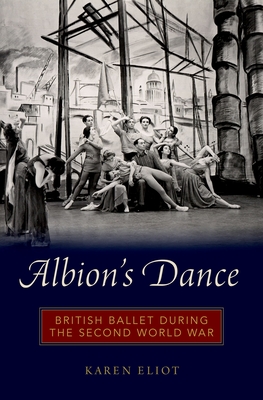
When the Second World War broke out, ballet in Britain was only a few decades old. Few had imagined that it would establish roots in a nation long thought to be unresponsive to dance. Nevertheless, the war proved to be a boon for ballet dancers, choreographers and audiences, for the nation's dancers were forced to look inward to their own identity and sources of creativity. As author Karen Eliot demonstrates in this fascinating book, instead of withering during the enforced isolation of war, ballet in Britain flourished, exhibiting a surprising heterogeneity and vibrant populism that moved ballet outside its typical elitist surroundings to be seen by uninitiated, often enthusiastic audiences. Ballet was thought to help boost audience morale, to render solace to the soul-weary and to afford entertainment and diversion to those who simply craved a few hours of distraction. Government authorities came to see that ballet could serve as a tool of propaganda; the ways it functioned within the larger public discourse of propaganda and sacrifice, and how it answered a public mood of pragmatism and idealism, are also topics in this story of the development of a national ballet identity. This narrative has several key players-- dance critics, male and female dancers, producers, audiences, and choreographers. Exploring the so-called "ballet boom" during WWII, the larger story of this book is one of how art and artists thrive during conflict, and how they respond pragmatically and creatively to privation and duress.
Log in to write a review for this book.
No reviews yet. Be the first to share your opinion.
Biography not available.