Bodenhamer, David J. Author
Biography not available.

Browse all ART CRITICISM books
Browse all Ashworth books
Browse all FOLKLORE books
Browse all GARDENS books
Browse all GRAPHIC NOVELS books
Browse all Hamilton books
Browse all HISTORY - MEDIEVAL books
Browse all HUMOUR books
Browse all KINDRED books
Browse all LITERARY STUDIES books
Browse all LONDON books
Browse all Lozada books
Browse all Medical : Nursing - Mental Health books
Browse all MIND books
Browse all MUSEOLOGY books
Browse all NON-CLASSIFIABLE books
Browse all NONLINEAR SCIENCE books
Browse all Ormonde books
Browse all POPULAR SCIENCE books
Browse all RELIGIOUS STUDIES books
Browse all SPIRIT books
Browse all SPORT books
Browse all TRAVEL WRITING books
 Out of Stock
Paperback · ISBN 9780199360444
Inclusive of GST and other taxes
Arriving at your doorstep in 10-15 days
Our logisitcs team will make sure everyitem is delivered safely
| ISBN | 9780199360444 |
|---|---|
| Publisher | OUP US |
| Publication date | November 2013 |
| Language | English |
| MRP | £35.99 GBP |
| Page count | 292 |
| Item weight | 100 g |
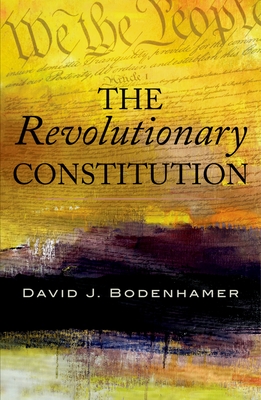
In The Revolutionary Constitution, David J. Bodenhamer provides a comprehensive new look at America's basic law, integrating the latest legal scholarship with historical context to highlight how it has evolved over time. The Constitution, he notes, was the product of the first modern revolution, and revolutions are, by definition, moments when the past shifts toward an unfamiliar future, one radically different from what was foreseen only a brief time earlier. In seeking to balance power and liberty, the framers established a structure that would allow future generations to continually readjust the scale. Bodenhamer explores this dynamic through seven major constitutional themes: federalism, balance of powers, property, representation, equality, rights, and security. With each, he takes a historical approach, following their changes over time. For example, the framers wrote multiple protections for property rights into the Constitution in response to actions by state governments after the Revolution. But twentieth-century courts--and Congress--redefined property rights through measures such as zoning and the designation of historical landmarks (diminishing their commercial value) in response to the needs of a modern economy. The framers anticipated just such a future reworking of their own compromises between liberty and power.
With up-to-the-minute legal expertise and a broad grasp of the social and political context, this book is a tour de force of Constitutional history and analysis.
Log in to write a review for this book.
No reviews yet. Be the first to share your opinion.
Biography not available.