Hancock, Ange-Marie Author
Biography not available.

Browse all ART CRITICISM books
Browse all Ashworth books
Browse all FOLKLORE books
Browse all GARDENS books
Browse all GRAPHIC NOVELS books
Browse all Hamilton books
Browse all HISTORY - MEDIEVAL books
Browse all HUMOUR books
Browse all KINDRED books
Browse all LITERARY STUDIES books
Browse all LONDON books
Browse all Lozada books
Browse all Medical : Nursing - Mental Health books
Browse all MIND books
Browse all MUSEOLOGY books
Browse all NON-CLASSIFIABLE books
Browse all NONLINEAR SCIENCE books
Browse all Ormonde books
Browse all POPULAR SCIENCE books
Browse all RELIGIOUS STUDIES books
Browse all SPIRIT books
Browse all SPORT books
Browse all TRAVEL WRITING books
 Out of Stock
Paperback · ISBN 9780199370375
Inclusive of GST and other taxes
Arriving at your doorstep in 10-15 days
Our logisitcs team will make sure everyitem is delivered safely
| ISBN | 9780199370375 |
|---|---|
| Publisher | OUP US |
| Publication date | January 2016 |
| Language | English |
| MRP | £41.99 GBP |
| Page count | 274 |
| Item weight | 75 g |
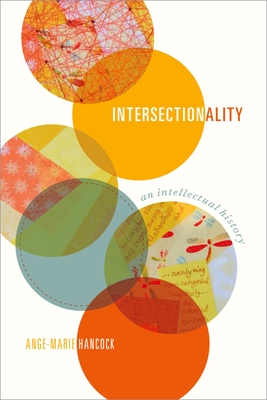
Though intersectionality theory has emerged as a highly influential school of thought in ethnic studies, gender studies, law, political science, sociology and psychology, no scholarship to date exists on the evolution of the theory. In the absence of a comprehensive intellectual history of the theory, it is often discussed in vague, ahistorical terms. And while scholars have called for greater specificity and attention to the historical foundations of intersectionality theory, their idea of the history to be included is generally limited to the particular currents in the United States. This book seeks to remedy the vagueness and murkiness attributed to intersectionality by attending to the historical, geographical, and cross-disciplinary myopia afflicting current intersectionality scholarship. This comprehensive intellectual history is an agenda-setting work for the theory.
Log in to write a review for this book.
No reviews yet. Be the first to share your opinion.
Biography not available.