Fussell, Paul Author
Biography not available.

Browse all FOLKLORE books
Browse all GARDENS books
Browse all GRAPHIC NOVELS books
Browse all HISTORY - MEDIEVAL books
Browse all HUMOUR books
Browse all Juvenile Fiction : Biographical - Other books
Browse all Juvenile Fiction : Historical - Other books
Browse all Juvenile Fiction : Legends, Myths, & Fables - Other books
Browse all Juvenile Fiction : People & Places - Other books
Browse all Juvenile Fiction : People & Places - United States - Other books
Browse all Juvenile Fiction : Religious - Other books
Browse all Juvenile Nonfiction : History - Other books
Browse all Juvenile Nonfiction : Mathematics - Advanced books
Browse all Juvenile Nonfiction : People & Places - Other books
Browse all Juvenile Nonfiction : People & Places - United States - Othe books
Browse all LITERARY STUDIES books
Browse all LONDON books
Browse all Medical : Nursing - Mental Health books
Browse all MIND books
Browse all MUSEOLOGY books
Browse all NON-CLASSIFIABLE books
Browse all NONLINEAR SCIENCE books
Browse all POPULAR SCIENCE books
Browse all RELIGIOUS STUDIES books
Browse all SPIRIT books
Browse all SPORT books
Browse all TRAVEL WRITING books
 Out of Stock
Paperback · ISBN 9780199971954
Inclusive of GST and other taxes
Arriving at your doorstep in 10-15 days
Our logisitcs team will make sure everyitem is delivered safely
| ISBN | 9780199971954 |
|---|---|
| Publisher | OUP US |
| Publication date | June 2013 |
| Language | English |
| MRP | £16.99 GBP |
| Page count | 434 |
| Item weight | 107 g |
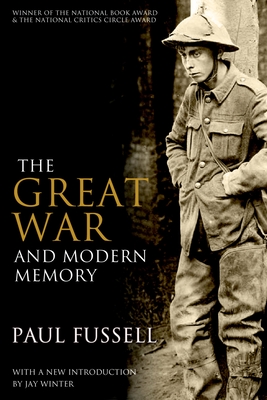
This brilliant work illuminates the trauma and tragedy of modern warfare in fresh, revelatory ways. Exploring the work of Siegfried Sassoon, Robert Graves, Edmund Blunden, David Jones, Isaac Rosenberg, and Wilfred Owen, Fussell supplies contexts, both actual and literary, for those writers who--with conspicuous imaginative and artistic meaning--most effectively memorialized World War I as an historical experience. Dispensing with literary theory and elevated rhetoric, Fussell grounds literary texts in the mud and trenches of World War I and shows how these poems, diaries, novels, and letters reflected the massive changes--in every area, including language itself--brought about by the cataclysm of the Great War. For generations of readers, this work has represented and embodied a model of accessible scholarship, huge ambition, hard-minded research, and haunting detail.
Restored and updated, this new edition includes an introduction by historian Jay Winter that takes into account the legacy and literary career of Paul Fussell, who died in May 2012.
Log in to write a review for this book.
No reviews yet. Be the first to share your opinion.
Biography not available.