Rajchman, John Author
Biography not available.

Browse all FOLKLORE books
Browse all GARDENS books
Browse all GRAPHIC NOVELS books
Browse all HISTORY - MEDIEVAL books
Browse all HUMOUR books
Browse all Juvenile Fiction : Biographical - Other books
Browse all Juvenile Fiction : Historical - Other books
Browse all Juvenile Fiction : Legends, Myths, & Fables - Other books
Browse all Juvenile Fiction : People & Places - Other books
Browse all Juvenile Fiction : People & Places - United States - Other books
Browse all Juvenile Fiction : Religious - Other books
Browse all Juvenile Nonfiction : History - Other books
Browse all Juvenile Nonfiction : Mathematics - Advanced books
Browse all Juvenile Nonfiction : People & Places - Other books
Browse all Juvenile Nonfiction : People & Places - United States - Othe books
Browse all LITERARY STUDIES books
Browse all LONDON books
Browse all Medical : Nursing - Mental Health books
Browse all MIND books
Browse all MUSEOLOGY books
Browse all NON-CLASSIFIABLE books
Browse all NONLINEAR SCIENCE books
Browse all POPULAR SCIENCE books
Browse all RELIGIOUS STUDIES books
Browse all SPIRIT books
Browse all SPORT books
Browse all TRAVEL WRITING books
 Out of Stock
Paperback · ISBN 9780262681209
Inclusive of GST and other taxes
Arriving at your doorstep in 10-15 days
Our logisitcs team will make sure everyitem is delivered safely
| ISBN | 9780262681209 |
|---|---|
| Publisher | MIT Press |
| Publication date | October 2000 |
| Language | English |
| MRP | £31.49 GBP |
| Page count | 178 |
| Item weight | 48 g |
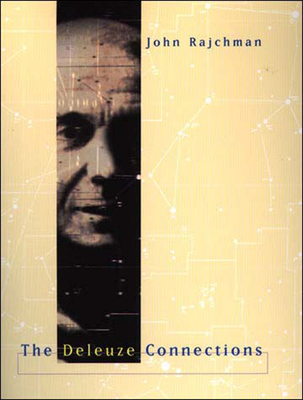
This book is a map of the work of Gilles Deleuze--the man Michel Foucault would call the "only real philosophical intelligence in France." It is not only for professional philosophers, but for those engaged in what Deleuze called the "nonphilosophical understanding of philosophy" in other domains, such as the arts, architecture, design, urbanism, new technologies, and politics. For Deleuze's philosophy is meant to go off in many directions at once, opening up zones of unforeseen connections between disciplines.
Rajchman isolates the logic at the heart of Deleuze's philosophy and the "image of thought" that it supposes. He then works out its implications for social and cultural thought, as well as for art and design--for how to do critical theory today. In this way he clarifies the aims and assumptions of a philosophy that looks constantly to invent new ways to affirm the "free differences" and the "complex repetitions" in the histories and spaces in which we find ourselves. He looks at the particular realism and empiricism that this affirmation implies and how they might be used to diagnose new forces confronting us today. In the process, he explores the many connections that Deleuze himself constructs in working out his philosophy, with the arts, political movements, even the neurosciences and artificial intelligence.
Log in to write a review for this book.
No reviews yet. Be the first to share your opinion.
Biography not available.