Wayne, Michael Author
Biography not available.

Browse all FOLKLORE books
Browse all GARDENS books
Browse all GRAPHIC NOVELS books
Browse all HISTORY - MEDIEVAL books
Browse all HUMOUR books
Browse all Juvenile Fiction : Biographical - Other books
Browse all Juvenile Fiction : Historical - Other books
Browse all Juvenile Fiction : Legends, Myths, & Fables - Other books
Browse all Juvenile Fiction : People & Places - Other books
Browse all Juvenile Fiction : People & Places - United States - Other books
Browse all Juvenile Fiction : Religious - Other books
Browse all Juvenile Nonfiction : History - Other books
Browse all Juvenile Nonfiction : Mathematics - Advanced books
Browse all Juvenile Nonfiction : People & Places - Other books
Browse all Juvenile Nonfiction : People & Places - United States - Othe books
Browse all LITERARY STUDIES books
Browse all LONDON books
Browse all Medical : Nursing - Mental Health books
Browse all MIND books
Browse all MUSEOLOGY books
Browse all NON-CLASSIFIABLE books
Browse all NONLINEAR SCIENCE books
Browse all POPULAR SCIENCE books
Browse all RELIGIOUS STUDIES books
Browse all SPIRIT books
Browse all SPORT books
Browse all TRAVEL WRITING books
 Out of Stock
Hardback · ISBN 9780300197815
Inclusive of GST and other taxes
Arriving at your doorstep in 10-15 days
Our logisitcs team will make sure everyitem is delivered safely
| ISBN | 9780300197815 |
|---|---|
| Publisher | YALE UNIV PR |
| Publication date | February 2014 |
| Language | English |
| MRP | £50.00 GBP |
| Page count | 332 |
| Item weight | 152 g |
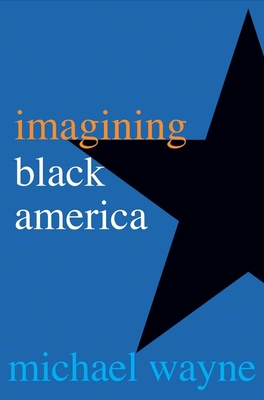
Scientific research has now established that race should be understood as a social construct, not a true biological division of humanity. In Imagining Black America, Michael Wayne explores the construction and reconstruction of black America from the arrival of the first Africans in Jamestown in 1619 to Barack Obama's reelection. Races have to be imagined into existence and constantly reimagined as circumstances change, Wayne argues, and as a consequence the boundaries of black America have historically been contested terrain. He discusses the emergence in the nineteenth century--and the erosion, during the past two decades--of the notorious "one-drop rule." He shows how significant periods of social transformation--emancipation, the Great Migration, the rise of the urban ghetto, and the Civil Rights Movement--raised major questions for black Americans about the defining characteristics of their racial community. And he explores how factors such as class, age, and gender have influenced perceptions of what it means to be black.
Wayne also considers how slavery and its legacy have defined freedom in the United States. Black Americans, he argues, because of their deep commitment to the promise of freedom and the ideals articulated by the Founding Fathers, became and remain quintessential Americans--the "incarnation of America," in the words of the civil rights leader A. Philip Randolph.
Log in to write a review for this book.
No reviews yet. Be the first to share your opinion.
Biography not available.