Ram, Arie Author
Biography not available.

Browse all FOLKLORE books
Browse all GARDENS books
Browse all GRAPHIC NOVELS books
Browse all HISTORY - MEDIEVAL books
Browse all HUMOUR books
Browse all Juvenile Fiction : Biographical - Other books
Browse all Juvenile Fiction : Historical - Other books
Browse all Juvenile Fiction : Legends, Myths, & Fables - Other books
Browse all Juvenile Fiction : People & Places - Other books
Browse all Juvenile Fiction : People & Places - United States - Other books
Browse all Juvenile Fiction : Religious - Other books
Browse all Juvenile Nonfiction : History - Other books
Browse all Juvenile Nonfiction : Mathematics - Advanced books
Browse all Juvenile Nonfiction : People & Places - Other books
Browse all Juvenile Nonfiction : People & Places - United States - Othe books
Browse all LITERARY STUDIES books
Browse all LONDON books
Browse all Medical : Nursing - Mental Health books
Browse all MIND books
Browse all MUSEOLOGY books
Browse all NON-CLASSIFIABLE books
Browse all NONLINEAR SCIENCE books
Browse all POPULAR SCIENCE books
Browse all RELIGIOUS STUDIES books
Browse all SPIRIT books
Browse all SPORT books
Browse all TRAVEL WRITING books
 Out of Stock
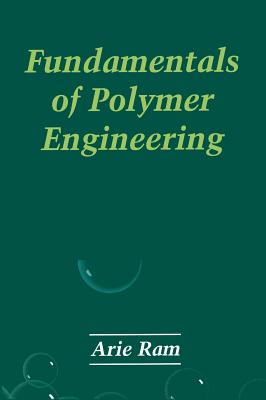
FUNDAMENTALS OF POLYMER ENGINE
Hardback · ISBN 9780306457265
Inclusive of GST and other taxes
Arriving at your doorstep in 10-15 days
Our logisitcs team will make sure everyitem is delivered safely
| ISBN | 9780306457265 |
|---|---|
| Subtitle | FUNDAMENTALS OF POLYMER ENGINE |
| Publisher | Springer |
| Publication date | December 1997 |
| Language | English |
| MRP | £89.99 GBP |
| Page count | 268 |
| Item weight | 151 g |
W ALL ARE SURROUNDED by plastic materials and cannot imagine modem life and utilities without the synthetic polymers. And yet, how many of us can distinguish between polyethylene and PVC? After all, most people name any polymer as ''Nylon. /I Is there any distinction between polymers and plastics? This introductory textbook tries to answer these questions and many others. It endeavors to provide the basic information required in modem life about the best utilization of new materials in the plastics era; the chemical sources of synthetic polymers, and the processes in which small"simple" molecules are converted to giant macromolecules, namely, high polymers; and the understanding of the role of these unique structures, their behavior and performance, their mechanical and thermal properties, flow and deforma- tion. As we are mainly interested in the final product, the processing of plastics, through shaping and forming, presents a significant challenge to polymer engineering. All this is broadly discussed, ending with modem issues like composites, ecology and future prediction, followed by up-to-date informa- tion and data about old as well as novel high performance polymers. The text is particularly targeted towards senior students of science and engineering (chemical, material, mechanical and others) who may use it as the first window to the world of polymers. At the same time many profession- als who are involved in the resin or plastics industry may prefer this approach without elaborate math or overloading.
Log in to write a review for this book.
No reviews yet. Be the first to share your opinion.
Biography not available.