Grene, N. Author
Biography not available.

Browse all FOLKLORE books
Browse all GARDENS books
Browse all GRAPHIC NOVELS books
Browse all HISTORY - MEDIEVAL books
Browse all HUMOUR books
Browse all Juvenile Fiction : Biographical - Other books
Browse all Juvenile Fiction : Historical - Other books
Browse all Juvenile Fiction : Legends, Myths, & Fables - Other books
Browse all Juvenile Fiction : People & Places - Other books
Browse all Juvenile Fiction : People & Places - United States - Other books
Browse all Juvenile Fiction : Religious - Other books
Browse all Juvenile Nonfiction : History - Other books
Browse all Juvenile Nonfiction : Mathematics - Advanced books
Browse all Juvenile Nonfiction : People & Places - Other books
Browse all Juvenile Nonfiction : People & Places - United States - Othe books
Browse all KINDRED books
Browse all LITERARY STUDIES books
Browse all LONDON books
Browse all Medical : Nursing - Mental Health books
Browse all MIND books
Browse all MUSEOLOGY books
Browse all NON-CLASSIFIABLE books
Browse all NONLINEAR SCIENCE books
Browse all POPULAR SCIENCE books
Browse all RELIGIOUS STUDIES books
Browse all SPIRIT books
Browse all SPORT books
Browse all TRAVEL WRITING books
 Out of Stock
Hardback · ISBN 9780333458259
Inclusive of GST and other taxes
Arriving at your doorstep in 10-15 days
Our logisitcs team will make sure everyitem is delivered safely
| ISBN | 9780333458259 |
|---|---|
| Publisher | Palgrave Macmillan |
| Publication date | December 1991 |
| Language | English |
| MRP | £129.99 GBP |
| Page count | 324 |
| Item weight | 124 g |
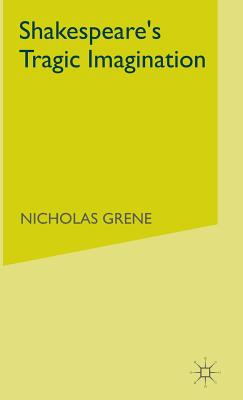
The world of Macbeth, with its absolutes of good and evil, seems very remote from the shifting perspectives of Antony and Cleopatra, or the psychological and political realities of Coriolanus. Yet all three plays share similar thematic concerns and preoccupations: the relation of power to legitimating authority, for instance, or of male and female roles in the imagination of (male) heroic endeavour. In this acclaimed study, Nicholas Grene shows how all nine plays written in Shakespeare's main tragic period display this combination of strikingly different milieu balanced by thematic interrelationships. Taking the English history play as his starting point, he argues that Shakespeare established two different modes of imagining: the one mythic and visionary, the other sceptical and analytic. In the tragic plays that followed, themes and situations are dramatised, alternately, in sacred and secular worlds. A chapter is devoted to each tragedy, but with a continuing awareness of companion plays: the analysis of Julius Caesar informing that of Hamlet, discussion of Troilus and Cressida counterpointed by the critique of Othello and the treatment of King Lear growing out from the limitations of Timon of Athens. The aim is to resist homogenising the plays but to recognise and explore the unique imaginative enterprise from which they arose.
Log in to write a review for this book.
No reviews yet. Be the first to share your opinion.
Biography not available.