Skillicorn, David Author
Biography not available.

Browse all ART CRITICISM books
Browse all Ashworth books
Browse all FOLKLORE books
Browse all GARDENS books
Browse all GRAPHIC NOVELS books
Browse all Hamilton books
Browse all HISTORY - MEDIEVAL books
Browse all HUMOUR books
Browse all Juvenile Fiction : Biographical - Other books
Browse all Juvenile Fiction : Historical - Other books
Browse all Juvenile Fiction : Legends, Myths, & Fables - Other books
Browse all Juvenile Fiction : People & Places - Other books
Browse all Juvenile Fiction : People & Places - United States - Other books
Browse all Juvenile Fiction : Religious - Other books
Browse all Juvenile Nonfiction : History - Other books
Browse all Juvenile Nonfiction : Mathematics - Advanced books
Browse all Juvenile Nonfiction : People & Places - Other books
Browse all Juvenile Nonfiction : People & Places - United States - Othe books
Browse all KINDRED books
Browse all LITERARY STUDIES books
Browse all LONDON books
Browse all Lozada books
Browse all Medical : Nursing - Mental Health books
Browse all MIND books
Browse all MUSEOLOGY books
Browse all NON-CLASSIFIABLE books
Browse all NONLINEAR SCIENCE books
Browse all Ormonde books
Browse all POPULAR SCIENCE books
Browse all RELIGIOUS STUDIES books
Browse all SPIRIT books
Browse all SPORT books
Browse all TRAVEL WRITING books
 Out of Stock
Paperback · ISBN 9780367647766
Inclusive of GST and other taxes
Arriving at your doorstep in 10-15 days
Our logisitcs team will make sure everyitem is delivered safely
| ISBN | 9780367647766 |
|---|---|
| Publisher | Chapman and Hall/CRC |
| Publication date | January 2024 |
| Language | English |
| MRP | £50.99 GBP |
| Page count | 274 |
| Item weight | 82 g |
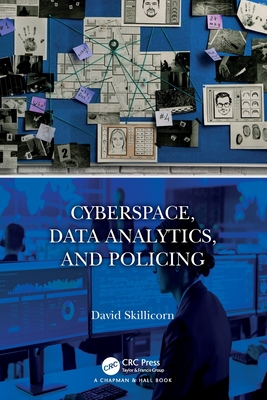
Cyberspace is changing the face of crime. For criminals it has become a place for rich collaboration and learning, not just within one country; and a place where new kinds of crimes can be carried out, and a vehicle for committing conventional crimes with unprecedented range, scale, and speed. Law enforcement faces a challenge in keeping up and dealing with this new environment. The news is not all bad - collecting and analyzing data about criminals and their activities can provide new levels of insight into what they are doing and how they are doing it. However, using data analytics requires a change of process and new skills that (so far) many law enforcement organizations have had difficulty leveraging. Cyberspace, Data Analytics, and Policing surveys the changes that cyberspace has brought to criminality and to policing with enough technical content to expose the issues and suggest ways in which law enforcement organizations can adapt.
Key Features:
Log in to write a review for this book.
No reviews yet. Be the first to share your opinion.
Biography not available.