Ragnedda, Massimo Editor
Biography not available.

Browse all ART CRITICISM books
Browse all Ashworth books
Browse all FOLKLORE books
Browse all GARDENS books
Browse all GRAPHIC NOVELS books
Browse all Hamilton books
Browse all HISTORY - MEDIEVAL books
Browse all HUMOUR books
Browse all KINDRED books
Browse all LITERARY STUDIES books
Browse all LONDON books
Browse all Lozada books
Browse all Medical : Nursing - Mental Health books
Browse all MIND books
Browse all MUSEOLOGY books
Browse all NON-CLASSIFIABLE books
Browse all NONLINEAR SCIENCE books
Browse all Ormonde books
Browse all POPULAR SCIENCE books
Browse all RELIGIOUS STUDIES books
Browse all SPIRIT books
Browse all SPORT books
Browse all TRAVEL WRITING books
 Out of Stock
Paperback · ISBN 9780367890254
Inclusive of GST and other taxes
Arriving at your doorstep in 10-15 days
Our logisitcs team will make sure everyitem is delivered safely
| ISBN | 9780367890254 |
|---|---|
| Publisher | Routledge |
| Publication date | December 2019 |
| Language | English |
| MRP | £48.99 GBP |
| Page count | 220 |
| Item weight | 70 g |
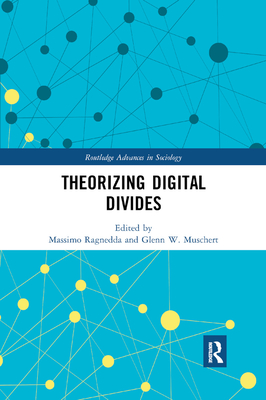
Although discussion of the digital divide is a relatively new phenomenon, social inequality is a deeply entrenched part of our current social world and is now reproduced in the digital sphere. Such inequalities have been described in multiple traditions of social thought and theoretical approaches. To move forward to a greater understanding of the nuanced dynamics of digital inequality, we need the theoretical lenses to interpret the meaning of what has been observed as digital inequality.
This volume examines and explains the phenomenon of digital divides and digital inequalities from a theoretical perspective. Indeed, with there being a limited amount of theoretical research on the digital divide so far, Theorizing Digital Divides seeks to collect and analyse different perspectives and theoretical approaches in analysing digital inequalities, and thus propose a nuanced approach to study the digital divide.
Exploring theories from diverse perspectives within the social sciences whilst presenting clear examples of how each theory is applied in digital divide research, this book will appeal to scholars and undergraduate and postgraduate students interested in sociology of inequality, digital culture, Internet studies, mass communication, social theory, sociology, and media studies.
Log in to write a review for this book.
No reviews yet. Be the first to share your opinion.
Biography not available.
Biography not available.