Eisler, Ronald Author
Biography not available.

Browse all FOLKLORE books
Browse all GARDENS books
Browse all GRAPHIC NOVELS books
Browse all HISTORY - MEDIEVAL books
Browse all HUMOUR books
Browse all Juvenile Fiction : Biographical - Other books
Browse all Juvenile Fiction : Historical - Other books
Browse all Juvenile Fiction : Legends, Myths, & Fables - Other books
Browse all Juvenile Fiction : People & Places - Other books
Browse all Juvenile Fiction : People & Places - United States - Other books
Browse all Juvenile Fiction : Religious - Other books
Browse all Juvenile Nonfiction : History - Other books
Browse all Juvenile Nonfiction : Mathematics - Advanced books
Browse all Juvenile Nonfiction : People & Places - Other books
Browse all Juvenile Nonfiction : People & Places - United States - Othe books
Browse all LITERARY STUDIES books
Browse all LONDON books
Browse all Medical : Nursing - Mental Health books
Browse all MIND books
Browse all MUSEOLOGY books
Browse all NON-CLASSIFIABLE books
Browse all NONLINEAR SCIENCE books
Browse all POPULAR SCIENCE books
Browse all RELIGIOUS STUDIES books
Browse all SPIRIT books
Browse all SPORT books
Browse all TRAVEL WRITING books
 Out of Stock
EISLERS ENCY OF ENVIRONMENTALL
Hardback · ISBN 9780444531056
Inclusive of GST and other taxes
Arriving at your doorstep in 10-15 days
Our logisitcs team will make sure everyitem is delivered safely
| ISBN | 9780444531056 |
|---|---|
| Subtitle | EISLERS ENCY OF ENVIRONMENTALL |
| Publisher | Elsevier |
| Publication date | August 2007 |
| Language | English |
| MRP | £130.00 GBP |
| Page count | 988 |
| Item weight | 421 g |
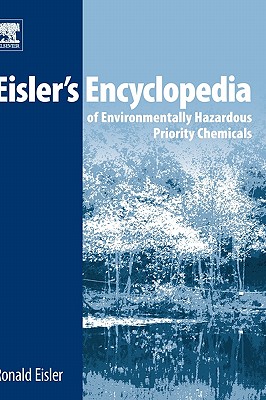
Thousands of inorganic and organic chemicals and their metabolites enter the biosphere daily as a direct result of human activities. Many of these chemicals have serious consequences on sensitive species of natural resources, crops, livestock, and public health. The most hazardous of these were identified by a panel of environmental specialists from the U.S. Fish and Wildlife Service; these chemicals are the focus of this encyclopedia.For each priority group of chemicals, information is presented on sources, uses, physical and chemical properties, tissue concentrations in field collections and their significance, lethal and sublethal effects under controlled conditions. This includes effects on survival, growth, reproduction, metabolism, carcinogenicity, teratogenicity, and mutagenicity - and proposed regulatory criteria for the protection of sensitive natural resources, crops, livestock, and human health. Taxonomic groups of natural resources covered include terrestrial and aquatic plants and invertebrates, fishes, amphibians, reptiles, birds, and mammals.
Log in to write a review for this book.
No reviews yet. Be the first to share your opinion.
Biography not available.