de Queiroz, Alan Author
Biography not available.

Browse all ART CRITICISM books
Browse all Ashworth books
Browse all FOLKLORE books
Browse all GARDENS books
Browse all GRAPHIC NOVELS books
Browse all Hamilton books
Browse all HISTORY - MEDIEVAL books
Browse all HUMOUR books
Browse all KINDRED books
Browse all LITERARY STUDIES books
Browse all LONDON books
Browse all Lozada books
Browse all Medical : Nursing - Mental Health books
Browse all MIND books
Browse all MUSEOLOGY books
Browse all NON-CLASSIFIABLE books
Browse all NONLINEAR SCIENCE books
Browse all Ormonde books
Browse all POPULAR SCIENCE books
Browse all RELIGIOUS STUDIES books
Browse all SPIRIT books
Browse all SPORT books
Browse all TRAVEL WRITING books
 Out of Stock
Hardback · ISBN 9780465020515
Inclusive of GST and other taxes
Arriving at your doorstep in 10-15 days
Our logisitcs team will make sure everyitem is delivered safely
| ISBN | 9780465020515 |
|---|---|
| Publisher | Basic Books |
| Publication date | January 2014 |
| Language | English |
| MRP | £25.99 GBP |
| Page count | 370 |
| Item weight | 139 g |
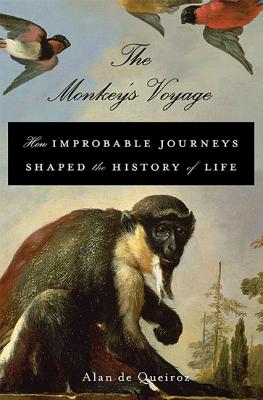
Since the discovery of plate tectonics, scientists have conjectured that plants and animals were scattered over the globe by riding pieces of ancient supercontinents as they broke up. In the past decade, however, that theory has foundered, as the genomic revolution has made reams of new data available. And the data has revealed an extraordinary, stranger-than-fiction story that has sparked a scientific upheaval.
In The Monkey's Voyage, biologist Alan de Queiroz describes the radical new view of how fragmented distributions came into being: frogs and mammals rode on rafts and icebergs, tiny spiders drifted on storm winds, and plant seeds were carried in the plumage of sea-going birds to create the map of life we see today. In other words, these organisms were not simply constrained by continental fate; they were the makers of their own geographic destiny. And as de Queiroz shows, the effects of oceanic dispersal have been crucial in generating the diversity of life on Earth, from monkeys and guinea pigs in South America to beech trees and kiwi birds in New Zealand. By toppling the idea that the slow process of continental drift is the main force behind the odd distributions of organisms, this theory highlights the dynamic and unpredictable nature of the history of life.
In the tradition of John McPhee's Basin and Range, The Monkey's Voyage is a beautifully told narrative that strikingly reveals the importance of contingency in history and the nature of scientific discovery.
Log in to write a review for this book.
No reviews yet. Be the first to share your opinion.
Biography not available.