Bardach, Eugene Author
Biography not available.

Browse all FOLKLORE books
Browse all GARDENS books
Browse all GRAPHIC NOVELS books
Browse all HISTORY - MEDIEVAL books
Browse all HUMOUR books
Browse all Juvenile Fiction : Biographical - Other books
Browse all Juvenile Fiction : Historical - Other books
Browse all Juvenile Fiction : Legends, Myths, & Fables - Other books
Browse all Juvenile Fiction : People & Places - Other books
Browse all Juvenile Fiction : People & Places - United States - Other books
Browse all Juvenile Fiction : Religious - Other books
Browse all Juvenile Nonfiction : History - Other books
Browse all Juvenile Nonfiction : Mathematics - Advanced books
Browse all Juvenile Nonfiction : People & Places - Other books
Browse all Juvenile Nonfiction : People & Places - United States - Othe books
Browse all LITERARY STUDIES books
Browse all LONDON books
Browse all Medical : Nursing - Mental Health books
Browse all MIND books
Browse all MUSEOLOGY books
Browse all NON-CLASSIFIABLE books
Browse all NONLINEAR SCIENCE books
Browse all POPULAR SCIENCE books
Browse all RELIGIOUS STUDIES books
Browse all SPIRIT books
Browse all SPORT books
Browse all TRAVEL WRITING books
 Out of Stock
Paperback · ISBN 9780520347649
Inclusive of GST and other taxes
Arriving at your doorstep in 10-15 days
Our logisitcs team will make sure everyitem is delivered safely
| ISBN | 9780520347649 |
|---|---|
| Publisher | University of California Press |
| Publication date | January 1972 |
| Language | English |
| MRP | £42.00 GBP |
| Page count | 302 |
| Item weight | 103 g |
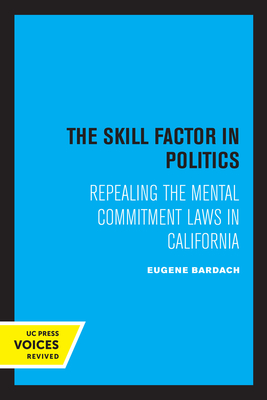
From these cases Bardach sketches a pragmatic model of policy entrepreneurship. Success equals authorization by relevant authorities, which depends on assembling "enough" support from strategically weighted interests. The entrepreneur's four core problems are: (1) designing proposals and plausible alternatives that can attract the right mix of interests; (2) recruiting and activating a coalition with resources (persuasion, information, venues, procedural leverage) to build that support; (3) defending and countering opposition through timing, sabotage, and agenda control; and (4) sustaining organizational capacity--managing attention, sequencing moves, and adapting doctrine as events unfold. Bardach's aim isn't to rank skill above other forces, but to make it visible and teachable as craft. He closes by urging broader diffusion of these skills--among analysts, citizen-advocates, and officials--arguing that representative institutions work best when more participants can map the field, diagnose leverage points, and execute creative, well-timed political action.
This title is part of UC Press's Voices Revived program, which commemorates University of California Press's mission to seek out and cultivate the brightest minds and give them voice, reach, and impact. Drawing on a backlist dating to 1893, Voices Revived makes high-quality, peer-reviewed scholarship accessible once again using print-on-demand technology. This title was originally published in 1972.
Log in to write a review for this book.
No reviews yet. Be the first to share your opinion.
Biography not available.