Vischer, Robert K. Author
Biography not available.

Browse all ART CRITICISM books
Browse all Ashworth books
Browse all FOLKLORE books
Browse all GARDENS books
Browse all GRAPHIC NOVELS books
Browse all Hamilton books
Browse all HISTORY - MEDIEVAL books
Browse all HUMOUR books
Browse all KINDRED books
Browse all LITERARY STUDIES books
Browse all LONDON books
Browse all Lozada books
Browse all Medical : Nursing - Mental Health books
Browse all MIND books
Browse all MUSEOLOGY books
Browse all NON-CLASSIFIABLE books
Browse all NONLINEAR SCIENCE books
Browse all Ormonde books
Browse all POPULAR SCIENCE books
Browse all RELIGIOUS STUDIES books
Browse all SPIRIT books
Browse all SPORT books
Browse all TRAVEL WRITING books
 Out of Stock
Paperback · ISBN 9780521130707
Inclusive of GST and other taxes
Arriving at your doorstep in 10-15 days
Our logisitcs team will make sure everyitem is delivered safely
| ISBN | 9780521130707 |
|---|---|
| Publisher | Cambridge University Press |
| Publication date | February 2010 |
| Language | English |
| MRP | £37.00 GBP |
| Page count | 328 |
| Item weight | 97 g |
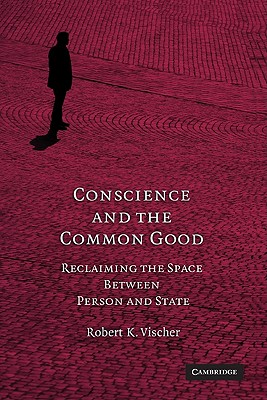
Our society's longstanding commitment to the liberty of conscience has become strained by our increasingly muddled understanding of what conscience is and why we value it. Too often we equate conscience with individual autonomy, and so we reflexively favor the individual in any contest against group authority, losing sight of the fact that a vibrant liberty of conscience requires a vibrant marketplace of morally distinct groups. Defending individual autonomy is not the same as defending the liberty of conscience because, although conscience is inescapably personal, it is also inescapably relational. Conscience is formed, articulated, and lived out through relationships, and its viability depends on the law's willingness to protect the associations and venues through which individual consciences can flourish: these are the myriad institutions that make up the space between the person and the state. Conscience and the Common Good reframes the debate about conscience by bringing its relational dimension into focus.
Log in to write a review for this book.
No reviews yet. Be the first to share your opinion.
Biography not available.