Wandel, Lee Palmer Author
Biography not available.

Browse all ART CRITICISM books
Browse all Ashworth books
Browse all FOLKLORE books
Browse all GARDENS books
Browse all GRAPHIC NOVELS books
Browse all Hamilton books
Browse all HISTORY - MEDIEVAL books
Browse all HUMOUR books
Browse all KINDRED books
Browse all LITERARY STUDIES books
Browse all LONDON books
Browse all Lozada books
Browse all Medical : Nursing - Mental Health books
Browse all MIND books
Browse all MUSEOLOGY books
Browse all NON-CLASSIFIABLE books
Browse all NONLINEAR SCIENCE books
Browse all Ormonde books
Browse all POPULAR SCIENCE books
Browse all RELIGIOUS STUDIES books
Browse all SPIRIT books
Browse all SPORT books
Browse all TRAVEL WRITING books
 Out of Stock
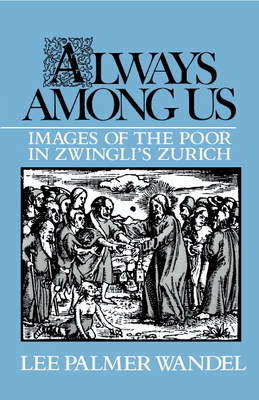
ALWAYS AMONG US
Hardback · ISBN 9780521390965
Inclusive of GST and other taxes
Arriving at your doorstep in 10-15 days
Our logisitcs team will make sure everyitem is delivered safely
| ISBN | 9780521390965 |
|---|---|
| Subtitle | ALWAYS AMONG US |
| Publisher | Cambridge University Press |
| Publication date | April 1990 |
| Language | English |
| MRP | £63.00 GBP |
| Page count | 208 |
| Item weight | 106 g |
In this elegantly written book, Lee Wandel discusses the relationship between the reform of poor relief and the Protestant Reformation in early sixteenth-century Zurich. In the introduction she traces the various ways that poverty has been evaluated, and its social and religious connotations, up to the sixteenth century. After providing a portrait of sixteenth-century Zurich, the author goes on to explore the discussion of the poor in various media of the town: the sermons and pamphlets of Huldrych Zwingli, who was preaching that the poor were the true images of God; printed images depicting Christ calling beggars and other poor folk to Him (these appeared on title pages of Zwingli's pamphlets); the language of legislation (in particular the poor ordinances of 1520 and 1525). By exploring each of these different "languages"--the words of Zwingli's sermons, the visual images of title page prints, and the language of legislation--Professor Wandel restores the complex perception of the poor in Reformation Zurich. In each, the poor were located within matrices of religious and social values and were seen as both economically dependent and symbolic within larger theological and ethical constructs.
Log in to write a review for this book.
No reviews yet. Be the first to share your opinion.
Biography not available.