Thoene, Jess G. Editor
Biography not available.

Browse all FOLKLORE books
Browse all GARDENS books
Browse all GRAPHIC NOVELS books
Browse all HISTORY - MEDIEVAL books
Browse all HUMOUR books
Browse all Juvenile Fiction : Biographical - Other books
Browse all Juvenile Fiction : Historical - Other books
Browse all Juvenile Fiction : Legends, Myths, & Fables - Other books
Browse all Juvenile Fiction : People & Places - Other books
Browse all Juvenile Fiction : People & Places - United States - Other books
Browse all Juvenile Fiction : Religious - Other books
Browse all Juvenile Nonfiction : History - Other books
Browse all Juvenile Nonfiction : Mathematics - Advanced books
Browse all Juvenile Nonfiction : People & Places - Other books
Browse all Juvenile Nonfiction : People & Places - United States - Othe books
Browse all LITERARY STUDIES books
Browse all LONDON books
Browse all Medical : Nursing - Mental Health books
Browse all MIND books
Browse all MUSEOLOGY books
Browse all NON-CLASSIFIABLE books
Browse all NONLINEAR SCIENCE books
Browse all POPULAR SCIENCE books
Browse all RELIGIOUS STUDIES books
Browse all SPIRIT books
Browse all SPORT books
Browse all TRAVEL WRITING books
 Out of Stock
Hardback · ISBN 9780521517812
Inclusive of GST and other taxes
Arriving at your doorstep in 10-15 days
Our logisitcs team will make sure everyitem is delivered safely
| ISBN | 9780521517812 |
|---|---|
| Publisher | Cambridge University Press |
| Publication date | October 2010 |
| Language | English |
| MRP | £84.00 GBP |
| Page count | 242 |
| Item weight | 141 g |
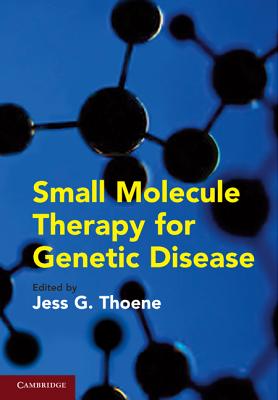
This book summarizes the substantial work that has been accomplished in the treatment of inborn errors of metabolism with simple molecules. These agents are discrete, often of natural origin, and provide predictable therapeutic responses. As such, they avoid many of the practical difficulties associated with gene and protein therapies. This handbook will enable interested clinician scientists and others to rapidly survey the field, thus ascertaining what has been done and as well as future directions for therapeutic research. Its important introductory chapters discuss the infrastructure of the field. These chapters focus on an introduction to pharmacokinetics and pharmacodynamics, a description of the FDA Office of Orphan Products, and a summary of the operation of the National Institutes of Health Office of Rare Diseases. The remainder of the book is devoted to a review of small molecule therapy for genetic diseases. The book closely analyzes the cofactors used to augment the function of defective enzymes and the compounds that are able to utilize an alternative pathway in order to avoid the consequences of the metabolic block present in the patient. Among other therapies, the authors discuss the use of zinc and tetrathiomolybdate to treat Wilson's disease and the use of cysteamine to treat nephropathic cystinosis.
Log in to write a review for this book.
No reviews yet. Be the first to share your opinion.
Biography not available.