Wydick, Bruce Author
Biography not available.

Browse all ART CRITICISM books
Browse all Ashworth books
Browse all FOLKLORE books
Browse all GARDENS books
Browse all GRAPHIC NOVELS books
Browse all Hamilton books
Browse all HISTORY - MEDIEVAL books
Browse all HUMOUR books
Browse all Juvenile Fiction : Biographical - Other books
Browse all Juvenile Fiction : Historical - Other books
Browse all Juvenile Fiction : Legends, Myths, & Fables - Other books
Browse all Juvenile Fiction : People & Places - Other books
Browse all Juvenile Fiction : People & Places - United States - Other books
Browse all Juvenile Fiction : Religious - Other books
Browse all Juvenile Nonfiction : History - Other books
Browse all Juvenile Nonfiction : Mathematics - Advanced books
Browse all Juvenile Nonfiction : People & Places - Other books
Browse all Juvenile Nonfiction : People & Places - United States - Othe books
Browse all KINDRED books
Browse all LITERARY STUDIES books
Browse all LONDON books
Browse all Lozada books
Browse all Medical : Nursing - Mental Health books
Browse all MIND books
Browse all MUSEOLOGY books
Browse all NON-CLASSIFIABLE books
Browse all NONLINEAR SCIENCE books
Browse all Ormonde books
Browse all POPULAR SCIENCE books
Browse all RELIGIOUS STUDIES books
Browse all SPIRIT books
Browse all SPORT books
Browse all TRAVEL WRITING books
 Out of Stock
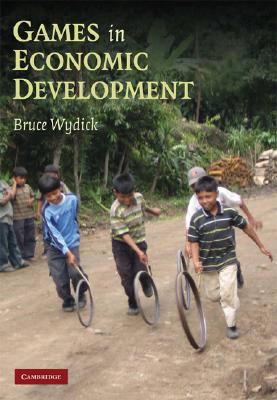
GAMES IN ECONOMIC DEVELOPMENT
Paperback · ISBN 9780521687157
Inclusive of GST and other taxes
Arriving at your doorstep in 10-15 days
Our logisitcs team will make sure everyitem is delivered safely
| ISBN | 9780521687157 |
|---|---|
| Subtitle | GAMES IN ECONOMIC DEVELOPMENT |
| Publisher | Cambridge University Press |
| Publication date | April 2008 |
| Language | English |
| MRP | £37.00 GBP |
| Page count | 314 |
| Item weight | 121 g |
Games in Economic Development examines the roots of poverty and prosperity through the lens of elementary game theory, illustrating how patterns of human interaction can lead to vicious cycles of poverty as well as virtuous cycles of prosperity. The book shows how both social norms and carefully designed institutions can help shape the "rules of the game," making better outcomes in a game possible for everyone involved. The book is entertaining to read, intended for a broad audience, and can be accessed with little background in development economics or game theory. Its chapters explore games in natural resource use; education; coping with risk; borrowing and lending; technology adoption; governance and corruption; civil conflict; international trade; and the importance of networks, religion, and identity, illustrating concepts with numerous anecdotes from recent world events. An appendix explaining basic ideas in game theory used in the book is provided for interested readers.
Log in to write a review for this book.
No reviews yet. Be the first to share your opinion.
Biography not available.