Gerges, Fawaz A. Author
Biography not available.

Browse all FOLKLORE books
Browse all GARDENS books
Browse all GRAPHIC NOVELS books
Browse all HISTORY - MEDIEVAL books
Browse all HUMOUR books
Browse all Juvenile Fiction : Biographical - Other books
Browse all Juvenile Fiction : Historical - Other books
Browse all Juvenile Fiction : Legends, Myths, & Fables - Other books
Browse all Juvenile Fiction : People & Places - Other books
Browse all Juvenile Fiction : People & Places - United States - Other books
Browse all Juvenile Fiction : Religious - Other books
Browse all Juvenile Nonfiction : History - Other books
Browse all Juvenile Nonfiction : Mathematics - Advanced books
Browse all Juvenile Nonfiction : People & Places - Other books
Browse all Juvenile Nonfiction : People & Places - United States - Othe books
Browse all LITERARY STUDIES books
Browse all LONDON books
Browse all Medical : Nursing - Mental Health books
Browse all MIND books
Browse all MUSEOLOGY books
Browse all NON-CLASSIFIABLE books
Browse all NONLINEAR SCIENCE books
Browse all POPULAR SCIENCE books
Browse all RELIGIOUS STUDIES books
Browse all SPIRIT books
Browse all SPORT books
Browse all TRAVEL WRITING books
 Out of Stock
FAR ENEMY 2/E
Paperback · ISBN 9780521737432
Inclusive of GST and other taxes
Arriving at your doorstep in 10-15 days
Our logisitcs team will make sure everyitem is delivered safely
| ISBN | 9780521737432 |
|---|---|
| Subtitle | FAR ENEMY 2/E |
| Publisher | Cambridge University Press |
| Publication date | November 2009 |
| Language | English |
| MRP | £29.00 GBP |
| Page count | 402 |
| Item weight | 130 g |
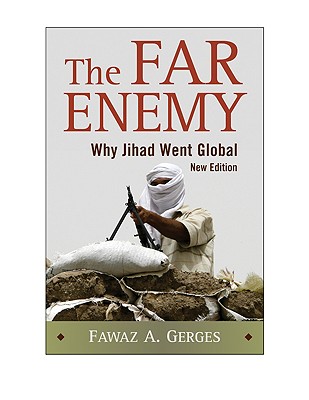
Fawaz Gerges' book on al Qaeda and the jihadist movement has become a classic in the field since it was published in 2005. Here he argued that far from being an Islamist front united in armed struggle, or jihad against the Christian West, as many misguided political commentators and politicians opined, al Qaeda represented a small faction within the jihadist movement, criticized by other groups who preferred to concentrate on changing the Muslim world, rather than attacking the Far Enemy and making the fight global. In the intervening years, with the advance of the 'War on Terror' and the invasion of Iraq, much has changed and, just as Gerges showed, al Qaeda's fortunes have taken a significant downturn. Revisiting The Far Enemy in this new edition, Gerges demonstrates that not only have the jihadists split ranks, but that voices from within the ultra-religious right, those that previously supported al Qaeda, are condemning its tactics as violent, unethical, and out of accord with the true meaning of jihad. In fact, millions of Muslims worldwide have rejected al-Qaeda's ideology and strategies and blame Osama bin Laden and his cohorts for the havoc the organisation has wrecked on their communities. Al-Qaeda is now in the wilderness suffering massive erosion of authority and legitimacy in Muslim eyes and facing a fierce revolt from within. As Gerges warns, the next US administration would do well to use political and socio-economic strategies rather than military means to ensure that it stays there.
Log in to write a review for this book.
No reviews yet. Be the first to share your opinion.
Biography not available.