Thies, Wallace J. Author
Biography not available.

Browse all ART CRITICISM books
Browse all Ashworth books
Browse all FOLKLORE books
Browse all GARDENS books
Browse all GRAPHIC NOVELS books
Browse all Hamilton books
Browse all HISTORY - MEDIEVAL books
Browse all HUMOUR books
Browse all Juvenile Fiction : Biographical - Other books
Browse all Juvenile Fiction : Historical - Other books
Browse all Juvenile Fiction : Legends, Myths, & Fables - Other books
Browse all Juvenile Fiction : People & Places - Other books
Browse all Juvenile Fiction : People & Places - United States - Other books
Browse all Juvenile Fiction : Religious - Other books
Browse all Juvenile Nonfiction : History - Other books
Browse all Juvenile Nonfiction : Mathematics - Advanced books
Browse all Juvenile Nonfiction : People & Places - Other books
Browse all Juvenile Nonfiction : People & Places - United States - Othe books
Browse all KINDRED books
Browse all LITERARY STUDIES books
Browse all LONDON books
Browse all Lozada books
Browse all Medical : Nursing - Mental Health books
Browse all MIND books
Browse all MUSEOLOGY books
Browse all NON-CLASSIFIABLE books
Browse all NONLINEAR SCIENCE books
Browse all Ormonde books
Browse all POPULAR SCIENCE books
Browse all RELIGIOUS STUDIES books
Browse all SPIRIT books
Browse all SPORT books
Browse all TRAVEL WRITING books
 Out of Stock
Hardback · ISBN 9780521767293
Inclusive of GST and other taxes
Arriving at your doorstep in 10-15 days
Our logisitcs team will make sure everyitem is delivered safely
| ISBN | 9780521767293 |
|---|---|
| Publisher | Cambridge University Press |
| Publication date | September 2009 |
| Language | English |
| MRP | £82.00 GBP |
| Page count | 334 |
| Item weight | 153 g |
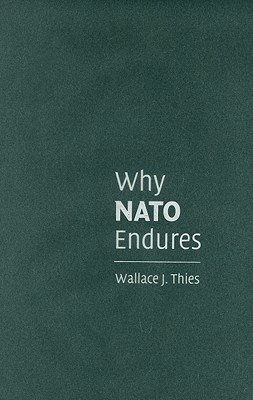
Why NATO Endures examines military alliances and their role in international relations, developing two themes. The first is that the Atlantic Alliance, also known as NATO, has become something very different from virtually all pre-1939 alliances and many contemporary alliances. The members of early alliances frequently feared their allies as much if not more than their enemies, viewing them as temporary accomplices and future rivals. In contrast, NATO members were almost all democracies that encouraged each other to grow stronger. The book's second theme is that NATO, as an alliance of democracies, has developed hidden strengths that have allowed it to endure for roughly 60 years, unlike most other alliances, which often broke apart within a few years. Democracies can and do disagree with one another, but they do not fear each other. They also need the approval of other democracies as they conduct their foreign policies. These traits constitute built-in, self-healing tendencies, which is why NATO endures.
Log in to write a review for this book.
No reviews yet. Be the first to share your opinion.
Biography not available.