Reiter, Dan Author
Biography not available.

Browse all ART CRITICISM books
Browse all Ashworth books
Browse all FOLKLORE books
Browse all GARDENS books
Browse all GRAPHIC NOVELS books
Browse all Hamilton books
Browse all HISTORY - MEDIEVAL books
Browse all HUMOUR books
Browse all KINDRED books
Browse all LITERARY STUDIES books
Browse all LONDON books
Browse all Lozada books
Browse all Medical : Nursing - Mental Health books
Browse all MIND books
Browse all MUSEOLOGY books
Browse all NON-CLASSIFIABLE books
Browse all NONLINEAR SCIENCE books
Browse all Ormonde books
Browse all POPULAR SCIENCE books
Browse all RELIGIOUS STUDIES books
Browse all SPIRIT books
Browse all SPORT books
Browse all TRAVEL WRITING books
 Out of Stock
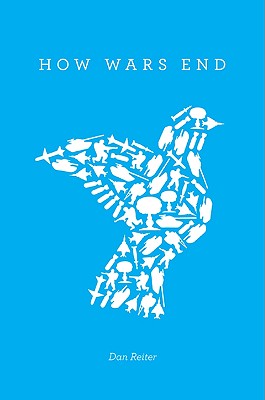
HOW WARS END
Paperback · ISBN 9780691140605
Inclusive of GST and other taxes
Arriving at your doorstep in 10-15 days
Our logisitcs team will make sure everyitem is delivered safely
| ISBN | 9780691140605 |
|---|---|
| Subtitle | HOW WARS END |
| Publisher | Princeton University Press |
| Publication date | September 2009 |
| Language | English |
| MRP | £32.00 GBP |
| Page count | 320 |
| Item weight | 109 g |
Why do some countries choose to end wars short of total victory while others fight on, sometimes in the face of appalling odds? How Wars End argues that two central factors shape war-termination decision making: information about the balance of power and the resolve of one's enemy, and fears that the other side's commitment to abide by a war-ending peace settlement may not be credible.
Dan Reiter explains how information about combat outcomes and other factors may persuade a warring nation to demand more or less in peace negotiations, and why a country might refuse to negotiate limited terms and instead tenaciously pursue absolute victory if it fears that its enemy might renege on a peace deal. He fully lays out the theory and then tests it on more than twenty cases of war-termination behavior, including decisions during the American Civil War, the two world wars, and the Korean War. Reiter helps solve some of the most enduring puzzles in military history, such as why Abraham Lincoln issued the Emancipation Proclamation, why Germany in 1918 renewed its attack in the West after securing peace with Russia in the East, and why Britain refused to seek peace terms with Germany after France fell in 1940.
How Wars End concludes with a timely discussion of twentieth-century American foreign policy, framing the Bush Doctrine's emphasis on preventive war in the context of the theory.
Log in to write a review for this book.
No reviews yet. Be the first to share your opinion.
Biography not available.