Shapcott, Richard Author
Biography not available.

Browse all FOLKLORE books
Browse all GARDENS books
Browse all GRAPHIC NOVELS books
Browse all HISTORY - MEDIEVAL books
Browse all HUMOUR books
Browse all Juvenile Fiction : Biographical - Other books
Browse all Juvenile Fiction : Historical - Other books
Browse all Juvenile Fiction : Legends, Myths, & Fables - Other books
Browse all Juvenile Fiction : People & Places - Other books
Browse all Juvenile Fiction : People & Places - United States - Other books
Browse all Juvenile Fiction : Religious - Other books
Browse all Juvenile Nonfiction : History - Other books
Browse all Juvenile Nonfiction : Mathematics - Advanced books
Browse all Juvenile Nonfiction : People & Places - Other books
Browse all Juvenile Nonfiction : People & Places - United States - Othe books
Browse all LITERARY STUDIES books
Browse all LONDON books
Browse all Medical : Nursing - Mental Health books
Browse all MIND books
Browse all MUSEOLOGY books
Browse all NON-CLASSIFIABLE books
Browse all NONLINEAR SCIENCE books
Browse all POPULAR SCIENCE books
Browse all RELIGIOUS STUDIES books
Browse all SPIRIT books
Browse all SPORT books
Browse all TRAVEL WRITING books
 Out of Stock
INTL ETHICS
Hardback · ISBN 9780745631424
Inclusive of GST and other taxes
Arriving at your doorstep in 10-15 days
Our logisitcs team will make sure everyitem is delivered safely
| ISBN | 9780745631424 |
|---|---|
| Subtitle | INTL ETHICS |
| Publisher | Polity Press |
| Publication date | May 2010 |
| Language | English |
| MRP | £55.00 GBP |
| Page count | 280 |
| Item weight | 120 g |
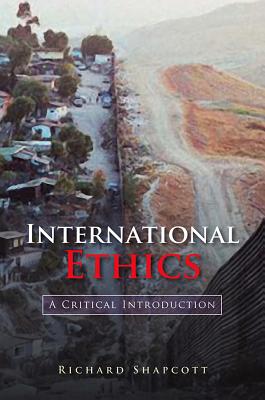
International Ethics: A Critical Introduction provides an engaging and accessible introduction to these foundational questions. In a cogent and carefully argued analysis, Richard Shapcott critically examines the theories of cosmopolitanism, communitarianism, realism and pluralism and scrutinises their approaches to the various obligations which members of 'bounded' communities, primarily nation-states, have to 'outsiders' and 'foreigners'. He then takes the theoretical approaches in context by discussing the ethics of hospitality and membership of political communities, issues of mutual aid and humanitarianism abroad, the ethics of harm related to interstate international violence, and the challenge of severe global poverty. The book concludes by suggesting that the terms of international ethical life in the 21st century require reframing in a way that focuses more intently on the nature of harm between communities and individuals.
This book provides students and scholars with a conceptual framework with which to analyse the policies, actions and philosophy of governments, NGOs and international corporations. Above all, it offers the means whereby individuals can assess their own positions on contemporary ethical issues such as global poverty, humanitarian intervention, migration and refugees and global warming.
Log in to write a review for this book.
No reviews yet. Be the first to share your opinion.
Biography not available.