Northcut, Terry Brumley Editor
Biography not available.

Browse all FOLKLORE books
Browse all GARDENS books
Browse all GRAPHIC NOVELS books
Browse all HISTORY - MEDIEVAL books
Browse all HUMOUR books
Browse all Juvenile Fiction : Biographical - Other books
Browse all Juvenile Fiction : Historical - Other books
Browse all Juvenile Fiction : Legends, Myths, & Fables - Other books
Browse all Juvenile Fiction : People & Places - Other books
Browse all Juvenile Fiction : People & Places - United States - Other books
Browse all Juvenile Fiction : Religious - Other books
Browse all Juvenile Nonfiction : History - Other books
Browse all Juvenile Nonfiction : Mathematics - Advanced books
Browse all Juvenile Nonfiction : People & Places - Other books
Browse all Juvenile Nonfiction : People & Places - United States - Othe books
Browse all LITERARY STUDIES books
Browse all LONDON books
Browse all Medical : Nursing - Mental Health books
Browse all MIND books
Browse all MUSEOLOGY books
Browse all NON-CLASSIFIABLE books
Browse all NONLINEAR SCIENCE books
Browse all POPULAR SCIENCE books
Browse all RELIGIOUS STUDIES books
Browse all SPIRIT books
Browse all SPORT books
Browse all TRAVEL WRITING books
 Out of Stock
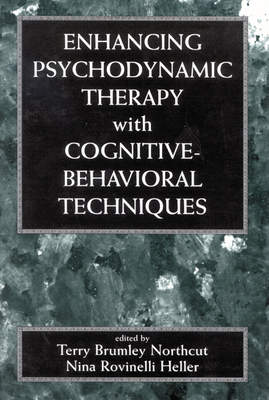
ENHANCING PSYCHODYNAMIC THERAP
Hardback · ISBN 9780765701817
Inclusive of GST and other taxes
Arriving at your doorstep in 10-15 days
Our logisitcs team will make sure everyitem is delivered safely
| ISBN | 9780765701817 |
|---|---|
| Subtitle | ENHANCING PSYCHODYNAMIC THERAP |
| Publisher | Jason Aronson, Inc. |
| Publication date | February 1999 |
| Language | English |
| MRP | £110.00 GBP |
| Page count | 378 |
| Item weight | 157 g |
This book, written by clinicians who practice primarily from a psychodynamic framework, shows how to include cognitive-behavioral techniques in contemporary psychodynamic practice. In Part I, the authors examine why integration is essential and present a model for cognitive assessment within an ego psychological framework. Are these two approaches compatible or even complementary? What can one offer the other? Does one work better with a specific population or problem than the other? Can cognitive clinicians learn something from the psychodynamic understanding of the roles of affect, transference, and developmental history? Can psycho-dynamically trained clinicians learn something from cognitive understanding of the role of thought processes in influencing behavior and creating change? Part II illustrates this integration in clinical work with children, adolescents, older adults, and couples. Its utility and effectiveness in practice is further highlighted in brief treatment sessions and in treating problems of depression, trauma, and chemical dependence.
Log in to write a review for this book.
No reviews yet. Be the first to share your opinion.
Biography not available.
Biography not available.