McFadden, Margaret T Author
Biography not available.

Browse all FOLKLORE books
Browse all GARDENS books
Browse all GRAPHIC NOVELS books
Browse all HISTORY - MEDIEVAL books
Browse all HUMOUR books
Browse all Juvenile Fiction : Biographical - Other books
Browse all Juvenile Fiction : Historical - Other books
Browse all Juvenile Fiction : Legends, Myths, & Fables - Other books
Browse all Juvenile Fiction : People & Places - Other books
Browse all Juvenile Fiction : People & Places - United States - Other books
Browse all Juvenile Fiction : Religious - Other books
Browse all Juvenile Nonfiction : History - Other books
Browse all Juvenile Nonfiction : Mathematics - Advanced books
Browse all Juvenile Nonfiction : People & Places - Other books
Browse all Juvenile Nonfiction : People & Places - United States - Othe books
Browse all LITERARY STUDIES books
Browse all LONDON books
Browse all Medical : Nursing - Mental Health books
Browse all MIND books
Browse all MUSEOLOGY books
Browse all NON-CLASSIFIABLE books
Browse all NONLINEAR SCIENCE books
Browse all POPULAR SCIENCE books
Browse all RELIGIOUS STUDIES books
Browse all SPIRIT books
Browse all SPORT books
Browse all TRAVEL WRITING books
 Out of Stock
Paperback · ISBN 9780814338247
Inclusive of GST and other taxes
Arriving at your doorstep in 10-15 days
Our logisitcs team will make sure everyitem is delivered safely
| ISBN | 9780814338247 |
|---|---|
| Publisher | Wayne State University Press |
| Publication date | February 2014 |
| Language | English |
| MRP | £18.99 GBP |
| Page count | 162 |
| Item weight | 32 g |
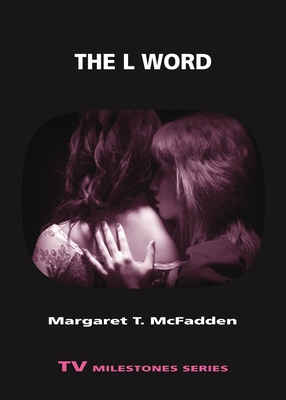
Explores representational strategies in the groundbreaking series The L Word.
In January 2004, Showtime debuted The L Word, the first prime-time commercial drama to center around lesbian characters. Over the course of six seasons, the show depicted the lives and loves of an evolving circle of friends in West Hollywood, California, and was widely read as evidence of changing social attitudes toward gay people. Building on immediate critical attention, the show reigned as Showtime's most popular for its first three seasons and earned a large and enthusiastic audience. In The L Word, author Margaret T. McFadden argues that the show is important for its subject matter, its extended and deeply literate commentary on the history of representation of lesbians in popular media, and the formal innovations it deployed to rewrite that history.
McFadden shows that the program's creators, led by executive producer Ilene Chaiken, were well aware of the assumptions and expectations that viewers would bring to it after a history of stereotypical depictions of lesbians on television. They sought to satisfy a diverse group of viewers who wanted honest and appealing portrayals of their lives while still attracting a large enough mainstream audience to make The L Word commercially viable. In five chapters, McFadden explores how the show tackled these problems of representation by using reflexivity as a strategy to make meaning, undertaking a complicitous critique of Hollywood, skillfully using a soap-drama format to draw in its audience, and ultimately creating its own complex representation of a lesbian community.
While deconstructing the history of misrepresentation of lesbians, The L Word's new modes of storytelling and new perspectives made many aspects of lesbian experience, history, and culture visible to a large audience. Fans of the show as well as readers interested in cultural studies and gay and lesbian pop cultural history will enjoy this astute volume.
Log in to write a review for this book.
No reviews yet. Be the first to share your opinion.
Biography not available.