Zephir, Flore Author
Biography not available.

Browse all FOLKLORE books
Browse all GARDENS books
Browse all GRAPHIC NOVELS books
Browse all HISTORY - MEDIEVAL books
Browse all HUMOUR books
Browse all Juvenile Fiction : Biographical - Other books
Browse all Juvenile Fiction : Historical - Other books
Browse all Juvenile Fiction : Legends, Myths, & Fables - Other books
Browse all Juvenile Fiction : People & Places - Other books
Browse all Juvenile Fiction : People & Places - United States - Other books
Browse all Juvenile Fiction : Religious - Other books
Browse all Juvenile Nonfiction : History - Other books
Browse all Juvenile Nonfiction : Mathematics - Advanced books
Browse all Juvenile Nonfiction : People & Places - Other books
Browse all Juvenile Nonfiction : People & Places - United States - Othe books
Browse all LITERARY STUDIES books
Browse all LONDON books
Browse all Medical : Nursing - Mental Health books
Browse all MIND books
Browse all MUSEOLOGY books
Browse all NON-CLASSIFIABLE books
Browse all NONLINEAR SCIENCE books
Browse all POPULAR SCIENCE books
Browse all RELIGIOUS STUDIES books
Browse all SPIRIT books
Browse all SPORT books
Browse all TRAVEL WRITING books
 Out of Stock
TRENDS IN ETHNIC IDENTIFICATIO
Hardback · ISBN 9780897897013
Inclusive of GST and other taxes
Arriving at your doorstep in 10-15 days
Our logisitcs team will make sure everyitem is delivered safely
| ISBN | 9780897897013 |
|---|---|
| Subtitle | TRENDS IN ETHNIC IDENTIFICATIO |
| Publisher | Praeger |
| Publication date | June 2001 |
| Language | English |
| MRP | £75.00 GBP |
| Page count | 252 |
| Item weight | 117 g |
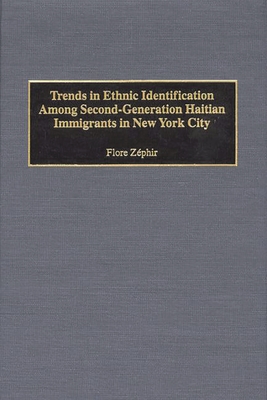
The author conducted extensive interviews with both first- and second- generation immigrants in New York City, revealing that second-generation Haitian immigrants do not have one single identity. Rather, they exhibit multiple identities that are shaped by both the American realities and the home and familial context. The author describes in detail the various macro and micro factors that account for this great variation in ethnic identification, and discusses the implications of these identity choices for American society at large.
Unlike their parents, who do not consider themselves American but rather birds of passage and who, additionally, because of their distinctive foreign accents, are not perceived to be American, the children of Haitian immigrants have the option of being less ethnic. In fact, they are very often seen by others as merely American. In light of this distinction, the central questions posed in the present study are the following: Are Haitian families successful at passing on to their offspring the same ethnic feelings, identification, culture, and values? How do their children choose to define themselves? Do they consider themselves American, or more specifically, African American? Is being ethnic important to their self image? In what way does the home environment influence their ethnic choices? What role do the American realities that surround them play in shaping Haitian youth identity? What are the manifestations and implication of these identifies?
Log in to write a review for this book.
No reviews yet. Be the first to share your opinion.
Biography not available.