Newman, Graeme R. Author
Biography not available.

Browse all FOLKLORE books
Browse all GARDENS books
Browse all GRAPHIC NOVELS books
Browse all HISTORY - MEDIEVAL books
Browse all HUMOUR books
Browse all Juvenile Fiction : Biographical - Other books
Browse all Juvenile Fiction : Historical - Other books
Browse all Juvenile Fiction : Legends, Myths, & Fables - Other books
Browse all Juvenile Fiction : People & Places - Other books
Browse all Juvenile Fiction : People & Places - United States - Other books
Browse all Juvenile Fiction : Religious - Other books
Browse all Juvenile Nonfiction : History - Other books
Browse all Juvenile Nonfiction : Mathematics - Advanced books
Browse all Juvenile Nonfiction : People & Places - Other books
Browse all Juvenile Nonfiction : People & Places - United States - Othe books
Browse all LITERARY STUDIES books
Browse all LONDON books
Browse all Medical : Nursing - Mental Health books
Browse all MIND books
Browse all MUSEOLOGY books
Browse all NON-CLASSIFIABLE books
Browse all NONLINEAR SCIENCE books
Browse all POPULAR SCIENCE books
Browse all RELIGIOUS STUDIES books
Browse all SPIRIT books
Browse all SPORT books
Browse all TRAVEL WRITING books
 Out of Stock
Paperback · ISBN 9780911577983
Inclusive of GST and other taxes
Arriving at your doorstep in 10-15 days
Our logisitcs team will make sure everyitem is delivered safely
| ISBN | 9780911577983 |
|---|---|
| Publisher | Read-Me.Org |
| Publication date | October 2026 |
| Language | English |
| MRP | £11.99 GBP |
| Page count | 170 |
| Item weight | 48 g |
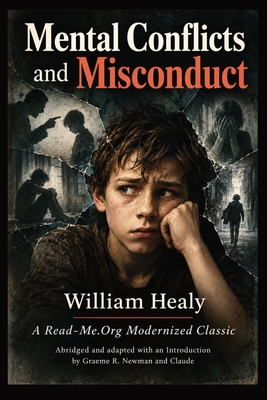
Mental Conflicts and Misconduct is a pioneering work in the history of psychology, criminology, and juvenile justice. First published in 1917, physician and juvenile court reformer William Healy challenged the prevailing belief that young offenders were simply bad, immoral, or mentally defective. Drawing on dozens of real-life case studies, Healy argued that many acts of delinquency arise from hidden emotional conflicts rooted in childhood experiences, secrets, fears, and unresolved traumas.
Working with young people who stole, ran away, lied, fought, or repeatedly broke the law, Healy uncovered a striking pattern. Beneath seemingly senseless misconduct often lay painful memories, disturbing knowledge, family secrets, or experiences that children felt unable to discuss with trusted adults. These buried conflicts, he believed, could exert a powerful influence on behavior long after the original events had been forgotten or repressed.
This modernized and abridged Read-Me.Org edition makes Healy's landmark study accessible to contemporary readers while preserving all forty of his remarkable case histories and the core of his argument. The book reveals the origins of ideas that would later influence child guidance clinics, trauma-informed care, psychological treatment, and modern approaches to juvenile justice.
Although some of Healy's assumptions reflect the limitations of his era, many of his insights remain surprisingly relevant. His emphasis on listening to children, understanding individual circumstances, and addressing underlying causes rather than relying solely on punishment anticipated developments that continue to shape psychology and criminal justice today.
Part historical document, part psychological investigation, and part humanitarian appeal, Mental Conflicts and Misconduct remains an important classic for students of psychology, criminology, social work, education, and anyone interested in the complex relationship between childhood experience and human behavior.
Log in to write a review for this book.
No reviews yet. Be the first to share your opinion.
Biography not available.
Biography not available.