Dorfman, Avihay Author
Biography not available.

Browse all FOLKLORE books
Browse all GARDENS books
Browse all GRAPHIC NOVELS books
Browse all HISTORY - MEDIEVAL books
Browse all HUMOUR books
Browse all Juvenile Fiction : Biographical - Other books
Browse all Juvenile Fiction : Historical - Other books
Browse all Juvenile Fiction : Legends, Myths, & Fables - Other books
Browse all Juvenile Fiction : People & Places - Other books
Browse all Juvenile Fiction : People & Places - United States - Other books
Browse all Juvenile Fiction : Religious - Other books
Browse all Juvenile Nonfiction : History - Other books
Browse all Juvenile Nonfiction : Mathematics - Advanced books
Browse all Juvenile Nonfiction : People & Places - Other books
Browse all Juvenile Nonfiction : People & Places - United States - Othe books
Browse all LITERARY STUDIES books
Browse all LONDON books
Browse all Medical : Nursing - Mental Health books
Browse all MIND books
Browse all MUSEOLOGY books
Browse all NON-CLASSIFIABLE books
Browse all NONLINEAR SCIENCE books
Browse all POPULAR SCIENCE books
Browse all RELIGIOUS STUDIES books
Browse all SPIRIT books
Browse all SPORT books
Browse all TRAVEL WRITING books
 Out of Stock
Paperback · ISBN 9781009327176
Inclusive of GST and other taxes
Arriving at your doorstep in 10-15 days
Our logisitcs team will make sure everyitem is delivered safely
| ISBN | 9781009327176 |
|---|---|
| Publisher | Cambridge University Press |
| Publication date | February 2024 |
| Language | English |
| MRP | £31.00 GBP |
| Page count | 208 |
| Item weight | 63 g |
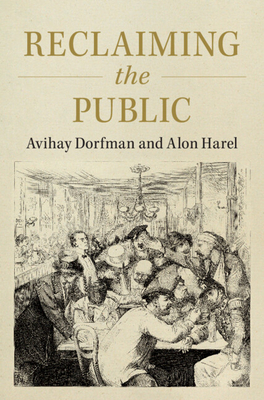
Reclaiming the Public defines and defends the intrinsic value of "the public" that resides in our public institutions and the officials that run them. The book argues that public institutions do not simply act for us but instead speak and act in our name; i.e., they represent us. Representation requires that decisions made by public institutions or officials are consistent with the perspectives of citizens. If the decisions satisfy this requirement, these decisions are attributable to citizens, and citizens can be held responsible for them. This theory of political authority accounts for major features of our legal system, such as the non-instrumental grounds for the separation of law-making powers, the non-instrumental value of constitutions, the limits of privatization, the nature and value of public property, and the impermissibility of using artificial intelligence in setting certain policies and making certain decisions.
Log in to write a review for this book.
No reviews yet. Be the first to share your opinion.
Biography not available.
Biography not available.