Corrigan, Lisa M Editor
Biography not available.

Browse all FOLKLORE books
Browse all GARDENS books
Browse all GRAPHIC NOVELS books
Browse all HISTORY - MEDIEVAL books
Browse all HUMOUR books
Browse all Juvenile Fiction : Biographical - Other books
Browse all Juvenile Fiction : Historical - Other books
Browse all Juvenile Fiction : Legends, Myths, & Fables - Other books
Browse all Juvenile Fiction : People & Places - Other books
Browse all Juvenile Fiction : People & Places - United States - Other books
Browse all Juvenile Fiction : Religious - Other books
Browse all Juvenile Nonfiction : History - Other books
Browse all Juvenile Nonfiction : Mathematics - Advanced books
Browse all Juvenile Nonfiction : People & Places - Other books
Browse all Juvenile Nonfiction : People & Places - United States - Othe books
Browse all LITERARY STUDIES books
Browse all LONDON books
Browse all Medical : Nursing - Mental Health books
Browse all MIND books
Browse all MUSEOLOGY books
Browse all NON-CLASSIFIABLE books
Browse all NONLINEAR SCIENCE books
Browse all POPULAR SCIENCE books
Browse all RELIGIOUS STUDIES books
Browse all SPIRIT books
Browse all SPORT books
Browse all TRAVEL WRITING books
 Out of Stock
Paperback · ISBN 9781032018195
Inclusive of GST and other taxes
Arriving at your doorstep in 10-15 days
Our logisitcs team will make sure everyitem is delivered safely
| ISBN | 9781032018195 |
|---|---|
| Publisher | Routledge |
| Publication date | September 2023 |
| Language | English |
| MRP | £43.99 GBP |
| Page count | 144 |
| Item weight | 58 g |
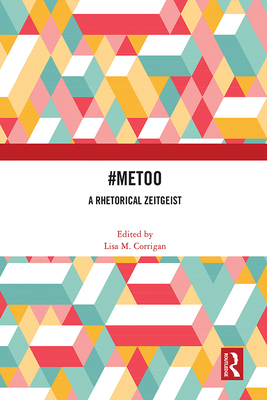
This edited collection on #MeToo activism challenges the overwhelming whiteness and straightness of #MeToo discourse and coverage. Using intersectional and decolonial frameworks and historical, archival, organizational and legal methods, these essays offer a rich exploration of #MeToo to understand how activism around sexualized violence reproduce and harm a wide variety of people.
The swift and powerful arrival of #MeToo as a compilation of complaints about sexual misconduct (especially in the workplace) has created pressure to dive deeper into the history of sexual assault and abuse in the United States. #MeToo: A Rhetorical Zeitgeist answers the call for more complicated analyses of systemic sexual harassment and abuse with essays that are deeply concerned with the whiteness and heterosexuality of #MeToo coverage and media framing to understand how and why #MeToo began to capture the public's attention in 2017 against the backdrop of Donald J. Trump's presidential administration.
These essays offer the first comprehensive study of the rhetorical politics of #MeToo. They tackle the complexities of sexual harassment, sexual violence and rape beyond white celebrity discourse to understand: how both violence and #MeToo activism affect transgender people; how #MeToo fails Black male victims of assault and rape; how Indian-American masculinity and comedy skirt sexual accountability; how the legal and affective precedent in the Supreme Court during the Kavanaugh hearings amplified concerns about sexual assault and rape; decolonial approaches to resisting sexualized violence from indigenous peoples; and narratives about assault from within the higher education community.
The chapters in this book were originally published as a special issue of Women's Studies in Communication.
Log in to write a review for this book.
No reviews yet. Be the first to share your opinion.
Biography not available.