Mulhern, Dawn M. Author
Biography not available.

Browse all FOLKLORE books
Browse all GARDENS books
Browse all GRAPHIC NOVELS books
Browse all HISTORY - MEDIEVAL books
Browse all HUMOUR books
Browse all Juvenile Fiction : Biographical - Other books
Browse all Juvenile Fiction : Historical - Other books
Browse all Juvenile Fiction : Legends, Myths, & Fables - Other books
Browse all Juvenile Fiction : People & Places - Other books
Browse all Juvenile Fiction : People & Places - United States - Other books
Browse all Juvenile Fiction : Religious - Other books
Browse all Juvenile Nonfiction : History - Other books
Browse all Juvenile Nonfiction : Mathematics - Advanced books
Browse all Juvenile Nonfiction : People & Places - Other books
Browse all Juvenile Nonfiction : People & Places - United States - Othe books
Browse all LITERARY STUDIES books
Browse all LONDON books
Browse all Medical : Nursing - Mental Health books
Browse all MIND books
Browse all MUSEOLOGY books
Browse all NON-CLASSIFIABLE books
Browse all NONLINEAR SCIENCE books
Browse all POPULAR SCIENCE books
Browse all RELIGIOUS STUDIES books
Browse all SPIRIT books
Browse all SPORT books
Browse all TRAVEL WRITING books
 Out of Stock
Paperback · ISBN 9781032721453
Inclusive of GST and other taxes
Arriving at your doorstep in 10-15 days
Our logisitcs team will make sure everyitem is delivered safely
| ISBN | 9781032721453 |
|---|---|
| Publisher | Routledge |
| Publication date | October 2026 |
| Language | English |
| MRP | £103.99 GBP |
| Page count | 336 |
| Item weight | 167 g |
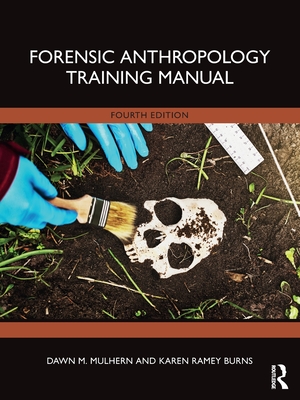
Forensic Anthropology Training Manual, fourth edition serves as a practical reference tool and a framework for training in forensic anthropology. It introduces readers to the field of forensic anthropology, including methods for identifying, recovering, and analyzing human bone in medicolegal contexts. An introductory chapter situates forensic anthropology within the forensic sciences and its historical framework. Much of the first half of the volume covers bone biology, growth and development of the human skeleton, and skeletal and dental anatomy. The second half of the volume focuses on practical skills and methodological approaches for human bone identification, field recovery, taphonomy, estimation of the postmortem interval, laboratory preparation and analysis, and professional results. The final chapter describes the work of forensic anthropologists in large-scale applications such as mass disasters and human rights contexts.
Upon completing this book, readers will be able to:
Log in to write a review for this book.
No reviews yet. Be the first to share your opinion.
Biography not available.
Biography not available.