Yorke, Aaron Author
Biography not available.

Browse all FOLKLORE books
Browse all GARDENS books
Browse all GRAPHIC NOVELS books
Browse all HISTORY - MEDIEVAL books
Browse all HUMOUR books
Browse all Juvenile Fiction : Biographical - Other books
Browse all Juvenile Fiction : Historical - Other books
Browse all Juvenile Fiction : Legends, Myths, & Fables - Other books
Browse all Juvenile Fiction : People & Places - Other books
Browse all Juvenile Fiction : People & Places - United States - Other books
Browse all Juvenile Fiction : Religious - Other books
Browse all Juvenile Nonfiction : History - Other books
Browse all Juvenile Nonfiction : Mathematics - Advanced books
Browse all Juvenile Nonfiction : People & Places - Other books
Browse all Juvenile Nonfiction : People & Places - United States - Othe books
Browse all LITERARY STUDIES books
Browse all LONDON books
Browse all Medical : Nursing - Mental Health books
Browse all MIND books
Browse all MUSEOLOGY books
Browse all NON-CLASSIFIABLE books
Browse all NONLINEAR SCIENCE books
Browse all POPULAR SCIENCE books
Browse all RELIGIOUS STUDIES books
Browse all SPIRIT books
Browse all SPORT books
Browse all TRAVEL WRITING books
 Out of Stock
Hardback · ISBN 9781041167204
Inclusive of GST and other taxes
Arriving at your doorstep in 10-15 days
Our logisitcs team will make sure everyitem is delivered safely
| ISBN | 9781041167204 |
|---|---|
| Publisher | Routledge |
| Publication date | September 2026 |
| Language | English |
| MRP | £171.99 GBP |
| Page count | 268 |
| Item weight | 122 g |
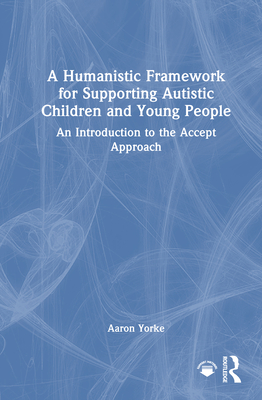
This book calls for a fundamental re-examination of how education, health, and care systems respond to autistic children and young people. Rather than focusing on how to manage behaviour or address perceived deficits, it shows how the practical application of acceptance can be a transformative way to support autistic children more effectively.
The act of acceptance is presented not as a passive attitude, but as something you actively do. Something that reshapes environments, relationships, and expectations. When acceptance is applied deliberately and consistently, it reduces anxiety, builds psychological safety, and creates the conditions in which autistic children can engage, communicate, and learn without coercion.
Drawing from real-world practice and lived experience, this book offers a clear, unified framework for acceptance-based support that can be quickly applied in your work. This solution-focused guide includes detailed case studies, reflective insights, and clear strategies to help you move from theory to practice. It demonstrates how acceptance can be a purposeful, structured, and effective tool in mental health, education, at-home, and community settings. Yorke considers what happens when acceptance moves from an idea to an active practice, transforming environments, restoring psychological safety, and enabling autistic children to belong without feeling compelled to change themselves, revealing the wonder and the power of acceptance.
Written for educators, professionals, policymakers, service providers, and those with lived experience, this book offers a practical alternative to traditional autism support models.
Log in to write a review for this book.
No reviews yet. Be the first to share your opinion.
Biography not available.