Malesa, Thabo Author
Biography not available.

Browse all FOLKLORE books
Browse all GARDENS books
Browse all GRAPHIC NOVELS books
Browse all HISTORY - MEDIEVAL books
Browse all HUMOUR books
Browse all Juvenile Fiction : Biographical - Other books
Browse all Juvenile Fiction : Historical - Other books
Browse all Juvenile Fiction : Legends, Myths, & Fables - Other books
Browse all Juvenile Fiction : People & Places - Other books
Browse all Juvenile Fiction : People & Places - United States - Other books
Browse all Juvenile Fiction : Religious - Other books
Browse all Juvenile Nonfiction : History - Other books
Browse all Juvenile Nonfiction : Mathematics - Advanced books
Browse all Juvenile Nonfiction : People & Places - Other books
Browse all Juvenile Nonfiction : People & Places - United States - Othe books
Browse all LITERARY STUDIES books
Browse all LONDON books
Browse all Medical : Nursing - Mental Health books
Browse all MIND books
Browse all MUSEOLOGY books
Browse all NON-CLASSIFIABLE books
Browse all NONLINEAR SCIENCE books
Browse all POPULAR SCIENCE books
Browse all RELIGIOUS STUDIES books
Browse all SPIRIT books
Browse all SPORT books
Browse all TRAVEL WRITING books
 Out of Stock
Paperback · ISBN 9781048371338
Inclusive of GST and other taxes
Arriving at your doorstep in 10-15 days
Our logisitcs team will make sure everyitem is delivered safely
| ISBN | 9781048371338 |
|---|---|
| Publisher | CreativeCore Books |
| Publication date | September 2026 |
| Language | English |
| MRP | £8.99 GBP |
| Page count | 74 |
| Item weight | 22 g |
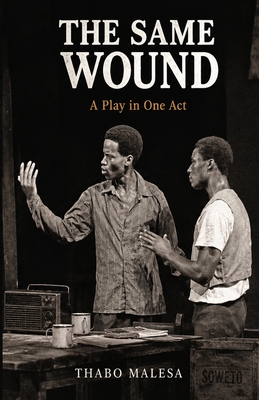
The Same Wound is a one-act historical drama set in Soweto in September 1976, three months after the Soweto Uprising. Inside a modest kitchen, two former friends meet for the first time in years. One is a Black Consciousness organiser and teacher; the other, an underground ANC operative recently returned from exile. Between them lies a shared history, an imprisoned young woman, and a nation struggling to imagine its future.
What begins as a conversation about a detained sister unfolds into a searching debate about language, education, liberation, sacrifice, and the competing visions that shaped South Africa's freedom struggle. As personal grief collides with political ideology, both men are forced to confront uncomfortable questions: Can the language of the coloniser become a tool of liberation? Is psychological freedom possible without political power? And what does a movement owe those it asks to sacrifice everything?
Drawing on the intellectual traditions of Steve Biko, the Black Consciousness Movement, and the Congress tradition, The Same Wound is a play about people wrestling with history while history is still being made. Rich in philosophical dialogue and emotional restraint, it explores the costs of conviction, the burdens of memory, and the enduring complexity of South Africa's unfinished conversations.
The Same Wound is a powerful work of historical fiction that invites readers, students, and theatre audiences into one of the defining debates of modern South African history.
Log in to write a review for this book.
No reviews yet. Be the first to share your opinion.
Biography not available.