Lyne, Raphael Author
Biography not available.

Browse all FOLKLORE books
Browse all GARDENS books
Browse all GRAPHIC NOVELS books
Browse all HISTORY - MEDIEVAL books
Browse all HUMOUR books
Browse all Juvenile Fiction : Biographical - Other books
Browse all Juvenile Fiction : Historical - Other books
Browse all Juvenile Fiction : Legends, Myths, & Fables - Other books
Browse all Juvenile Fiction : People & Places - Other books
Browse all Juvenile Fiction : People & Places - United States - Other books
Browse all Juvenile Fiction : Religious - Other books
Browse all Juvenile Nonfiction : History - Other books
Browse all Juvenile Nonfiction : Mathematics - Advanced books
Browse all Juvenile Nonfiction : People & Places - Other books
Browse all Juvenile Nonfiction : People & Places - United States - Othe books
Browse all LITERARY STUDIES books
Browse all LONDON books
Browse all Medical : Nursing - Mental Health books
Browse all MIND books
Browse all MUSEOLOGY books
Browse all NON-CLASSIFIABLE books
Browse all NONLINEAR SCIENCE books
Browse all POPULAR SCIENCE books
Browse all RELIGIOUS STUDIES books
Browse all SPIRIT books
Browse all SPORT books
Browse all TRAVEL WRITING books
 Out of Stock
Hardback · ISBN 9781107007475
Inclusive of GST and other taxes
Arriving at your doorstep in 10-15 days
Our logisitcs team will make sure everyitem is delivered safely
| ISBN | 9781107007475 |
|---|---|
| Publisher | Cambridge University Press |
| Publication date | September 2011 |
| Language | English |
| MRP | £90.00 GBP |
| Page count | 276 |
| Item weight | 119 g |
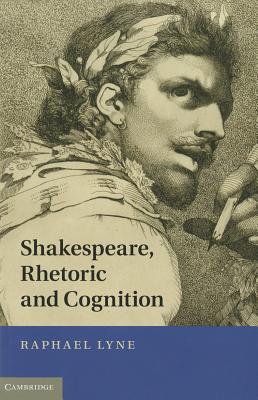
Raphael Lyne addresses a crucial Shakespearean question: why do characters in the grip of emotional crises deliver such extraordinarily beautiful and ambitious speeches? How do they manage to be so inventive when they are perplexed? Their dense, complex, articulate speeches at intensely dramatic moments are often seen as psychological - they uncover and investigate inwardness, character and motivation - and as rhetorical - they involve heightened language, deploying recognizable techniques. Focusing on A Midsummer Night's Dream, Othello, Cymbeline and the Sonnets, Lyne explores both the psychological and rhetorical elements of Shakespeare's language. In the light of cognitive linguistics and cognitive literary theory he shows how Renaissance rhetoric could be considered a kind of cognitive science, an attempt to map out the patterns of thinking. His study reveals how Shakespeare's metaphors and similes work to think, interpret and resolve, and how their struggle to do so results in extraordinary poetry.
Log in to write a review for this book.
No reviews yet. Be the first to share your opinion.
Biography not available.