Berger, Stefan Author
Biography not available.

Browse all FOLKLORE books
Browse all GARDENS books
Browse all GRAPHIC NOVELS books
Browse all HISTORY - MEDIEVAL books
Browse all HUMOUR books
Browse all Juvenile Fiction : Biographical - Other books
Browse all Juvenile Fiction : Historical - Other books
Browse all Juvenile Fiction : Legends, Myths, & Fables - Other books
Browse all Juvenile Fiction : People & Places - Other books
Browse all Juvenile Fiction : People & Places - United States - Other books
Browse all Juvenile Fiction : Religious - Other books
Browse all Juvenile Nonfiction : History - Other books
Browse all Juvenile Nonfiction : Mathematics - Advanced books
Browse all Juvenile Nonfiction : People & Places - Other books
Browse all Juvenile Nonfiction : People & Places - United States - Othe books
Browse all LITERARY STUDIES books
Browse all LONDON books
Browse all Medical : Nursing - Mental Health books
Browse all MIND books
Browse all MUSEOLOGY books
Browse all NON-CLASSIFIABLE books
Browse all NONLINEAR SCIENCE books
Browse all POPULAR SCIENCE books
Browse all RELIGIOUS STUDIES books
Browse all SPIRIT books
Browse all SPORT books
Browse all TRAVEL WRITING books
 Out of Stock
Hardback · ISBN 9781107011403
Inclusive of GST and other taxes
Arriving at your doorstep in 10-15 days
Our logisitcs team will make sure everyitem is delivered safely
| ISBN | 9781107011403 |
|---|---|
| Publisher | Cambridge University Press |
| Publication date | January 2022 |
| Language | English |
| MRP | £87.00 GBP |
| Page count | 506 |
| Item weight | 186 g |
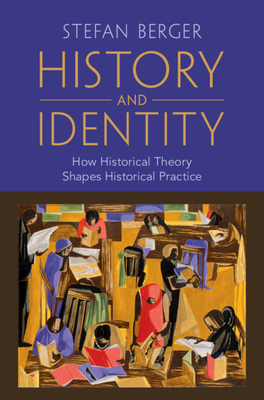
This introduction to contemporary historical theory and practice shows how issues of identity have shaped how we write history. Stefan Berger charts how a new self-reflexivity about what is involved in the process of writing history entered the historical profession and the part that historians have played in debates about the past and its meaningfulness for the present. He introduces key trends in the theory of history such as postmodernism, poststructuralism, constructivism, narrativism and the linguistic turn and reveals, in turn, the ways in which they have transformed how historians have written history over the last four decades. The book ranges widely from more traditional forms of history writing, such as political, social, economic, labour and cultural history, to the emergence of more recent fields, including gender history, historical anthropology, the history of memory, visual history, the history of material culture, and comparative, transnational and global history.
Log in to write a review for this book.
No reviews yet. Be the first to share your opinion.
Biography not available.