Gottlieb, Paula Author
Biography not available.

Browse all FOLKLORE books
Browse all GARDENS books
Browse all GRAPHIC NOVELS books
Browse all HISTORY - MEDIEVAL books
Browse all HUMOUR books
Browse all Juvenile Fiction : Biographical - Other books
Browse all Juvenile Fiction : Historical - Other books
Browse all Juvenile Fiction : Legends, Myths, & Fables - Other books
Browse all Juvenile Fiction : People & Places - Other books
Browse all Juvenile Fiction : People & Places - United States - Other books
Browse all Juvenile Fiction : Religious - Other books
Browse all Juvenile Nonfiction : History - Other books
Browse all Juvenile Nonfiction : Mathematics - Advanced books
Browse all Juvenile Nonfiction : People & Places - Other books
Browse all Juvenile Nonfiction : People & Places - United States - Othe books
Browse all LITERARY STUDIES books
Browse all LONDON books
Browse all Medical : Nursing - Mental Health books
Browse all MIND books
Browse all MUSEOLOGY books
Browse all NON-CLASSIFIABLE books
Browse all NONLINEAR SCIENCE books
Browse all POPULAR SCIENCE books
Browse all RELIGIOUS STUDIES books
Browse all SPIRIT books
Browse all SPORT books
Browse all TRAVEL WRITING books
 Out of Stock
Hardback · ISBN 9781107041899
Inclusive of GST and other taxes
Arriving at your doorstep in 10-15 days
Our logisitcs team will make sure everyitem is delivered safely
| ISBN | 9781107041899 |
|---|---|
| Publisher | Cambridge University Press |
| Publication date | January 2021 |
| Language | English |
| MRP | £99.00 GBP |
| Page count | 188 |
| Item weight | 94 g |
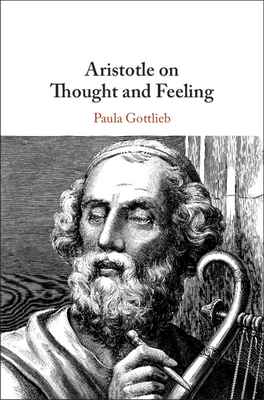
Aristotle's discussion of the motivation of the good person is both complicated and cryptic. Depending on which passages are emphasized, he may seem to be presenting a Kantian style view according to which the good person is and ought to be motivated primarily by reason, or a Humean style view according to which desires and feelings are or ought to be in charge. In this book, Paula Gottlieb argues that Aristotle sees the thought, desires and feelings of the good person as interdependent in a way that is sui generis, and she explains how Aristotle's concept of choice (prohairesis) is an innovative and pivotal element in his account. Gottlieb's interpretation casts light on Aristotle's account of moral education, on the psychology of good, bad and half-bad (akratic) people, and on the aesthetic and even musical side to being a good person.
Log in to write a review for this book.
No reviews yet. Be the first to share your opinion.
Biography not available.