Neuhoff, Karsten Author
Biography not available.

Browse all FOLKLORE books
Browse all GARDENS books
Browse all GRAPHIC NOVELS books
Browse all HISTORY - MEDIEVAL books
Browse all HUMOUR books
Browse all Juvenile Fiction : Biographical - Other books
Browse all Juvenile Fiction : Historical - Other books
Browse all Juvenile Fiction : Legends, Myths, & Fables - Other books
Browse all Juvenile Fiction : People & Places - Other books
Browse all Juvenile Fiction : People & Places - United States - Other books
Browse all Juvenile Fiction : Religious - Other books
Browse all Juvenile Nonfiction : History - Other books
Browse all Juvenile Nonfiction : Mathematics - Advanced books
Browse all Juvenile Nonfiction : People & Places - Other books
Browse all Juvenile Nonfiction : People & Places - United States - Othe books
Browse all LITERARY STUDIES books
Browse all LONDON books
Browse all Medical : Nursing - Mental Health books
Browse all MIND books
Browse all MUSEOLOGY books
Browse all NON-CLASSIFIABLE books
Browse all NONLINEAR SCIENCE books
Browse all POPULAR SCIENCE books
Browse all RELIGIOUS STUDIES books
Browse all SPIRIT books
Browse all SPORT books
Browse all TRAVEL WRITING books
 Out of Stock
Paperback · ISBN 9781107401419
Inclusive of GST and other taxes
Arriving at your doorstep in 10-15 days
Our logisitcs team will make sure everyitem is delivered safely
| ISBN | 9781107401419 |
|---|---|
| Publisher | Cambridge University Press |
| Publication date | June 2011 |
| Language | English |
| MRP | £29.00 GBP |
| Page count | 292 |
| Item weight | 87 g |
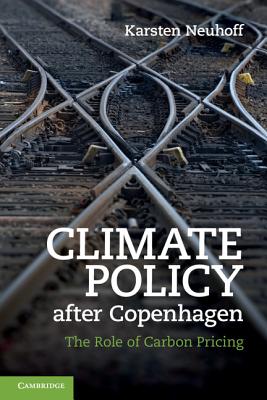
At the UN Climate Negotiations in Copenhagen, 117 heads of state concluded that low-carbon development is necessary in order to combat climate change. However, they could not agree on emission targets. At least one of the reasons why they could not agree is that low-carbon development is challenging because it requires the implementation of a portfolio of policies and programs. This book examines one the policies at the heart of attempts to create a low-carbon future: the European Emission Trading Scheme. It explores problems surrounding the implementation of such schemes, including the role of vested interests, the impact of subtle design details, and opportunities to attract long-term investments. It also shows how international climate cooperation can be designed to support the domestic implementation of policies for low-carbon development. This timely analysis of carbon pricing contains important lessons for all those concerned with the development of post-Copenhagen climate policy.
Log in to write a review for this book.
No reviews yet. Be the first to share your opinion.
Biography not available.